harbin

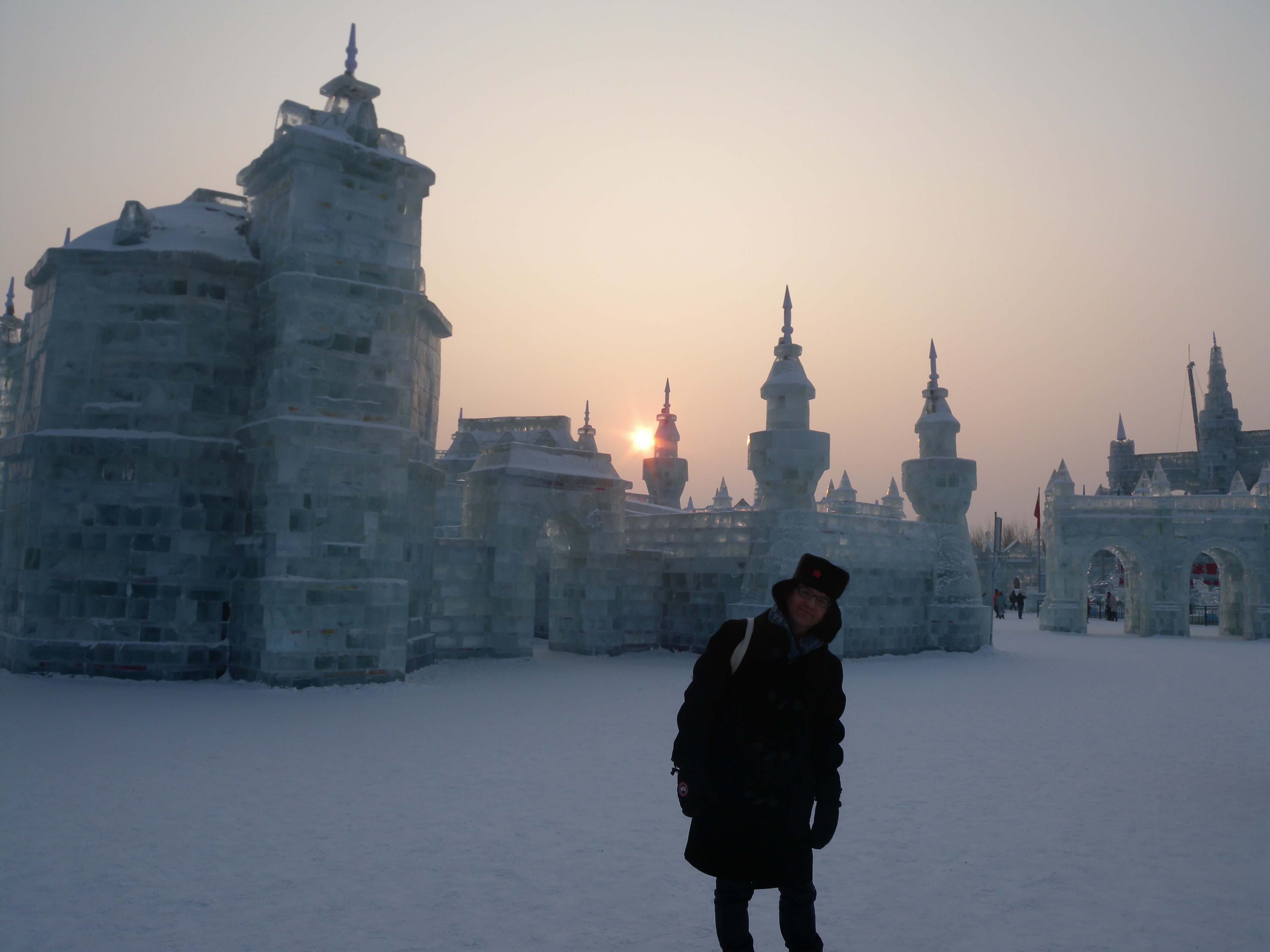
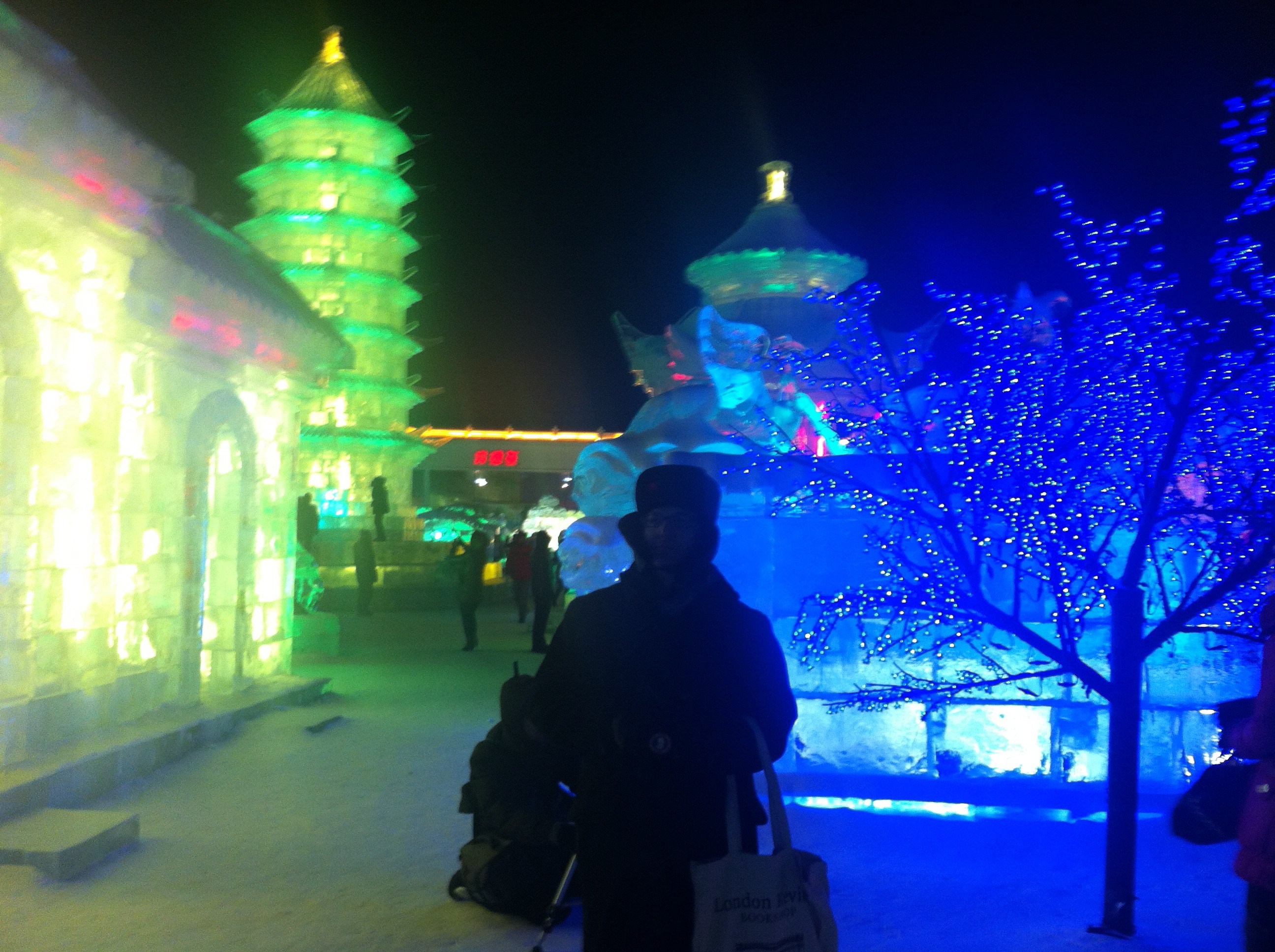
aspiring member of communist party central committee, who strangely shadowed me around Harbin, in front of impressive ice castle

Cheery horse-drawn carriages waiting for customers. Horses look happy: how do they stay warm?

Harbin is generally a quiet place. In the winter it’s too cold for construction, so unlike Hong Kong daily life is not accompanied by the relentless background din of pile driving and pneumatic drills. If building work needs to be done a giant padded quilt is suspended over the activity. I observed a couple of guys mixing cement but have no idea of the outcome of their labours, whether they succeeded or not in building the dream or filling in the cracks.

In Learning from Las Vegas Venturi, Brown and Izenour suggest that “today programs can change during the course of construction” and this is definitely relevant for China where the architectural tropes used by developers are often purely signs to indicate cultural and economic aspiration and achievement. The drive from Harbin airport to the city is accompanied by seemingly endless and unoccupied roadside developments representing new lifestyles under construction, partially hidden by awnings advertising the lives that will be lived here. The beautiful, European inspired, aspiring prince and princess types whose wealth is reflected in their eclectic tastes.

The ice sculptures that entice visitors to this city of freezing temperatures are transient, architecturally eclectic, lit by multi-coloured electric light, coated in advertising symbols and will all melt in the spring. They echo, in their limited life-spans and referential style, the relentless pace of change in China and are like so many simulacra both gorgeous and at the same time devoid of the substance of the dream.

It’s also a lot of fun by the way…

cozy inside the carriage, but not in a warm way: still freezing, despite proximity of other bodies
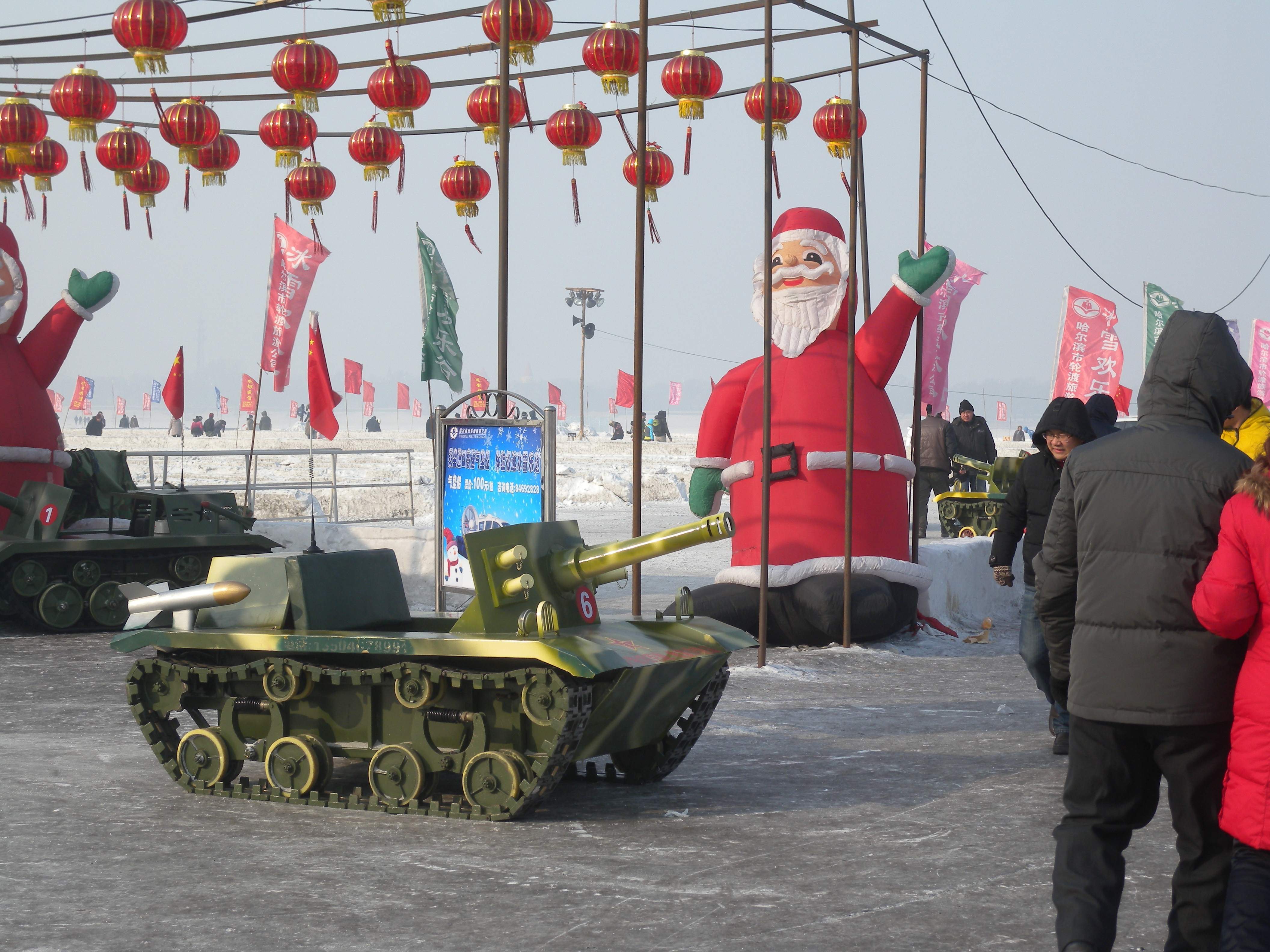
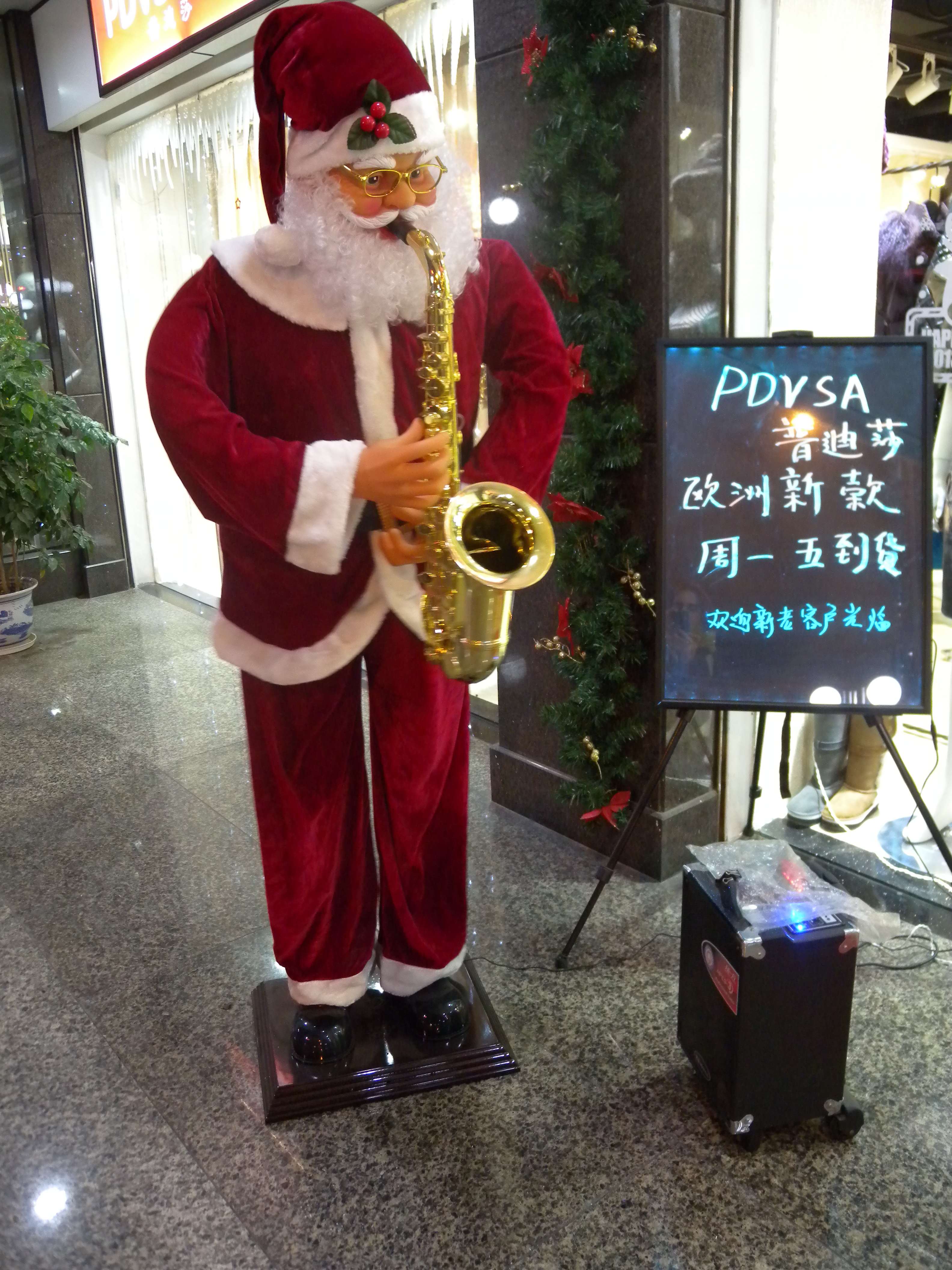
The Marx brothers, "there is no sanity claus"...
The Marx brothers, “there is no sanity claus”…
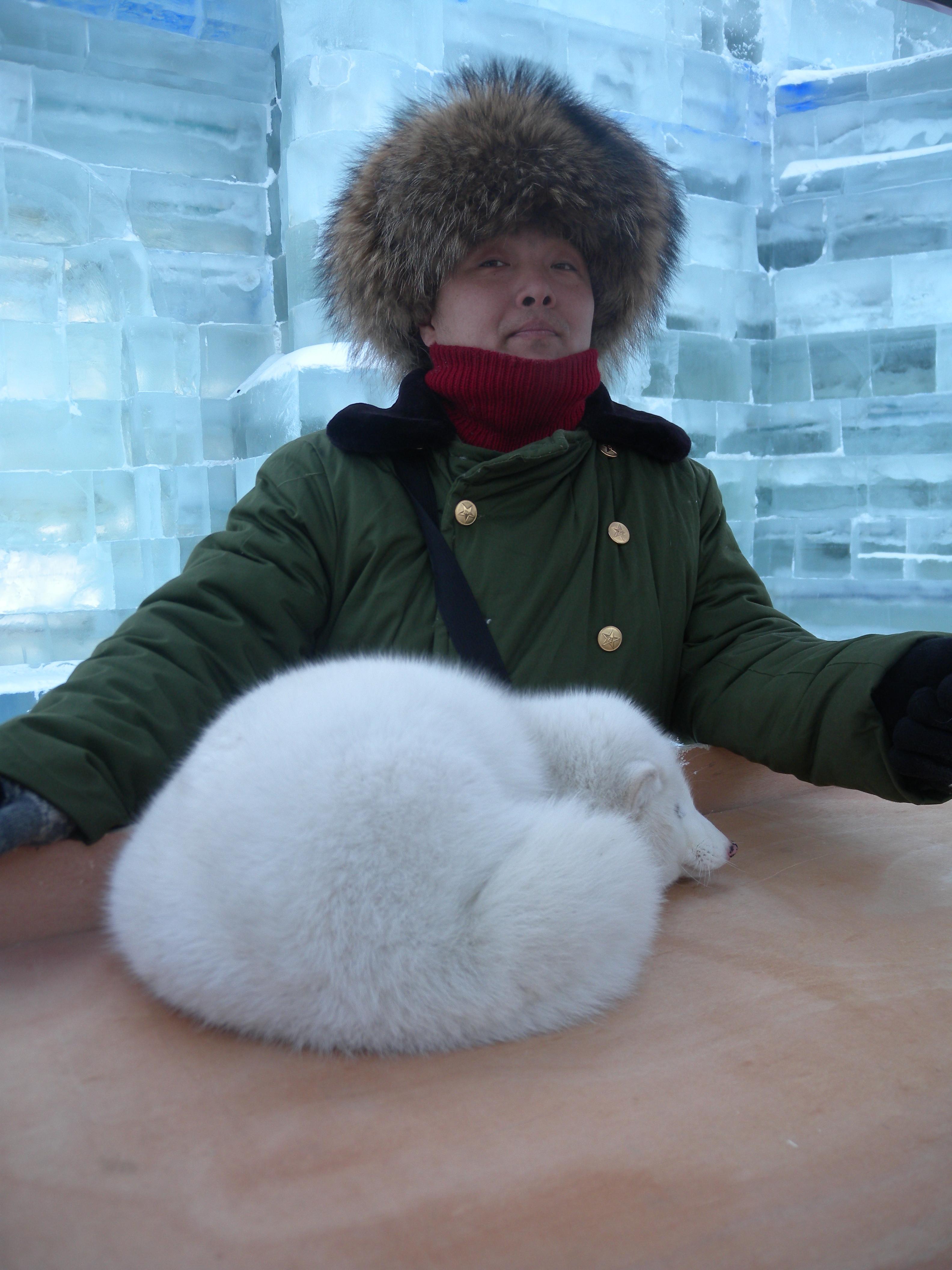
These cute snow foxes may be farmed rather than taken from the wild, you can pay to pet them and have your picture taken...needless to say we didn't succumb to the temptation.
These cute snow foxes may be farmed rather than taken from the wild, you can pay to pet them and have your picture taken…needless to say we didn’t succumb to the temptation.

Like everywhere else in China people dance in the streets, even at minus twenty degrees centigrade and on top of this there are ice slides, spinning tops for hire, skating rinks, horse-drawn carriages, Russian dolls, Stalin ashtrays, ice hockey pitches, snowboard wind surfing…ubiquitous delicious food.

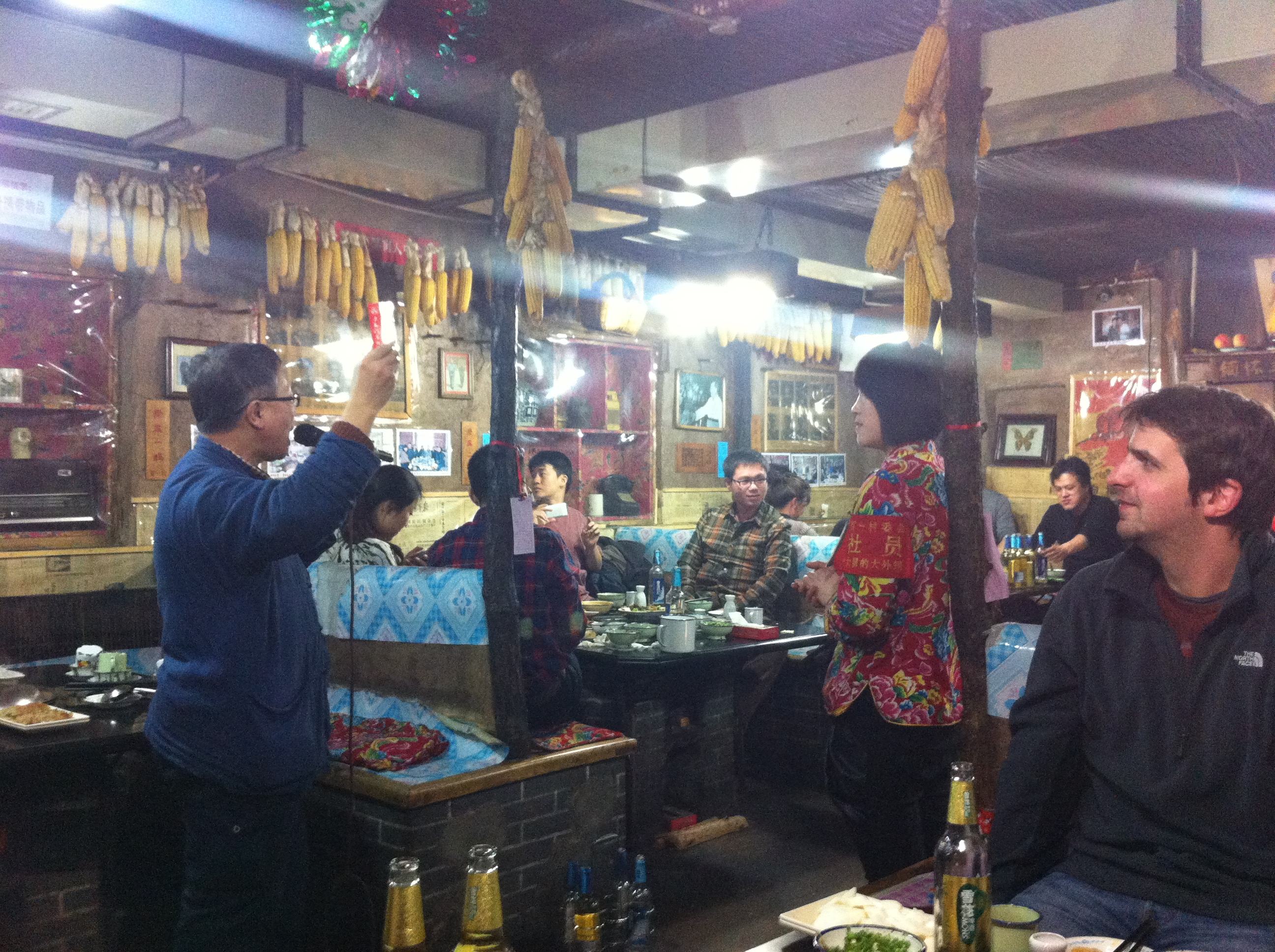
Delicious food at Big Fish Restaurant, fish and vegetable hot pot, toasty warm inside the groovy retro interior and yummy food.

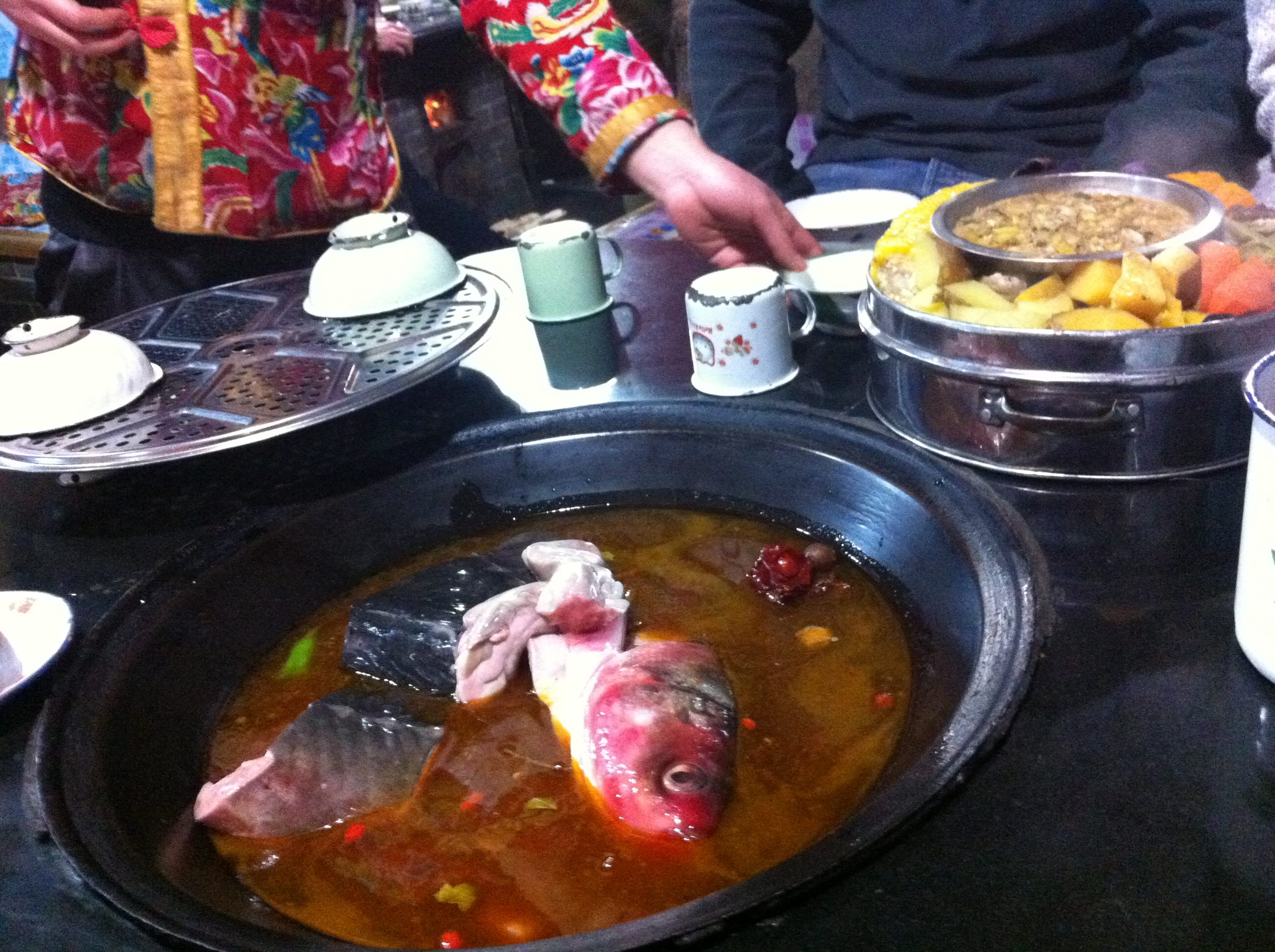
Retro style Big Fish restaurant, like granny used to eat
Big fish itself, and it was big, seemed to go on way after we were replete but certainly delicious
Live performance in Big Fish Restaurant
sunset over ice sculpture
ice sculpture brought to light in the dark
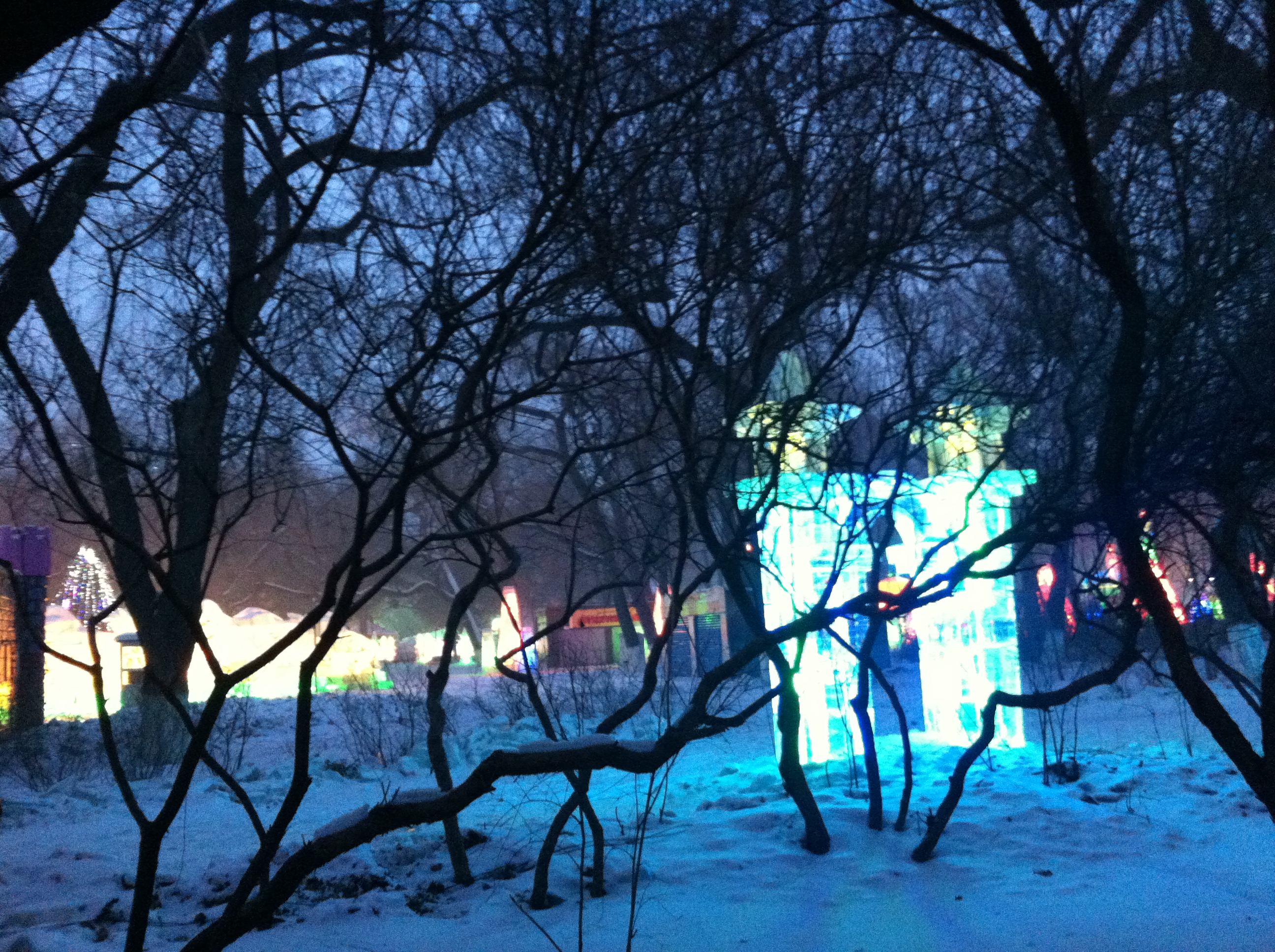
ice sculpture glimpsed thriugh the trees
ice sculpture glimpsed through the trees
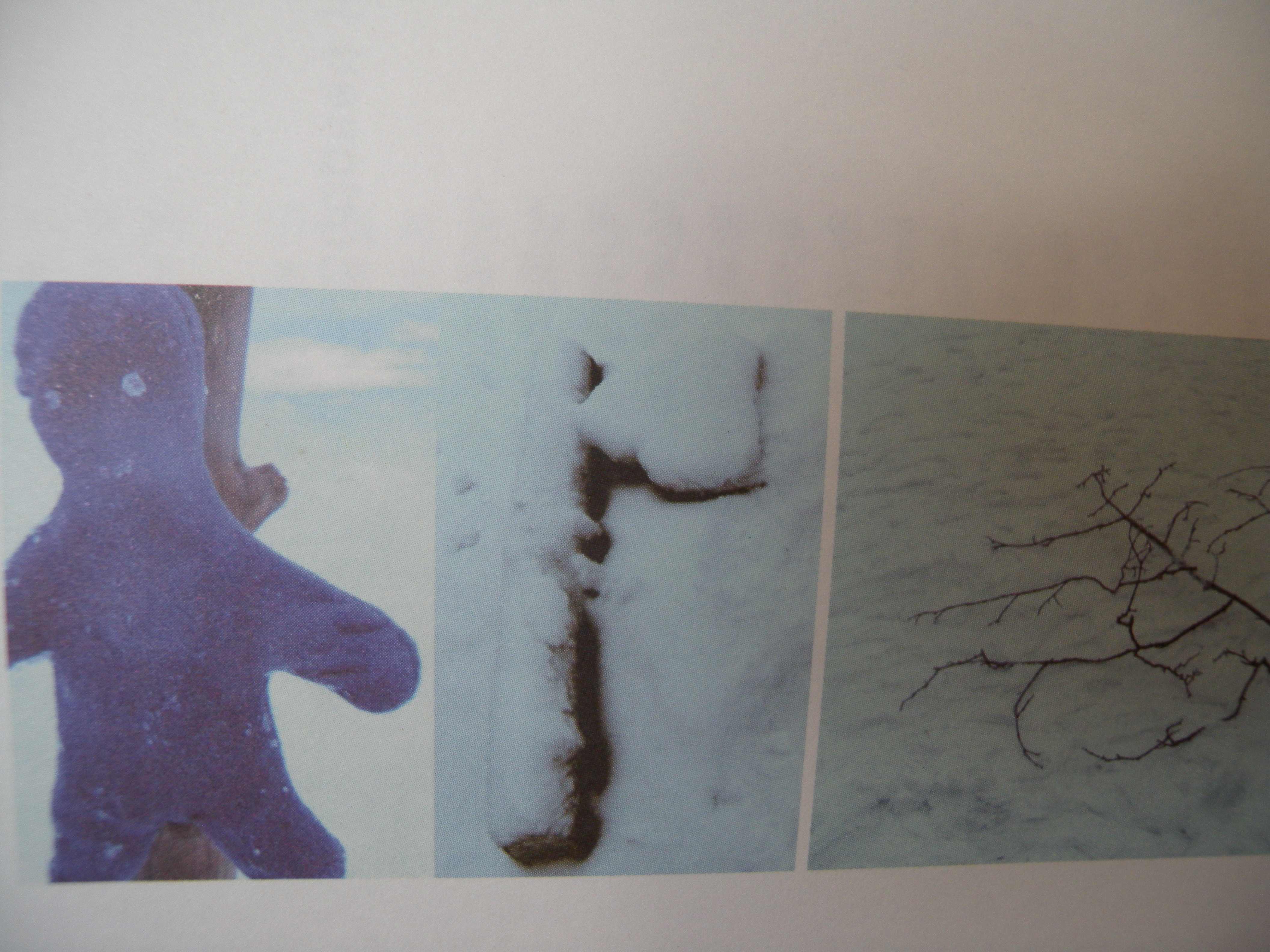
Ivy Ma "Perception of Phenomenal Soundlessness" excerpt
Ivy Ma “Perception of Phenomenal Soundlessness” excerpt
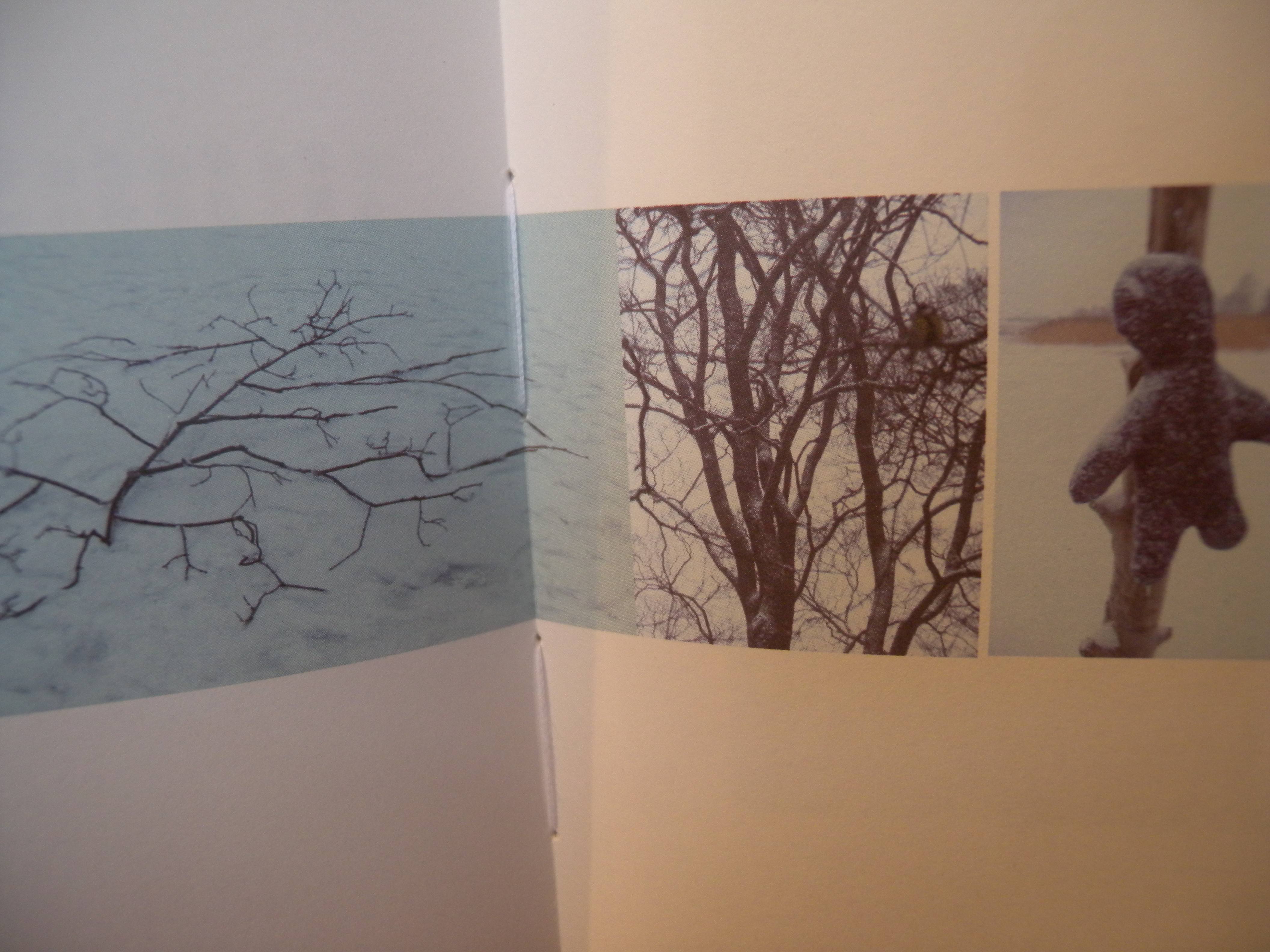
Ivy Ma "Perception of Phenomenal Soundlessness" exerpt
Ivy Ma “Perception of Phenomenal Soundlessness” exerpt

Leung Po Shan describes Hong Kong artist Ivy Ma’s photographic series, Perception of Phenomenal Soundlessness as capturing a sense of individual dislocation, the profound loss of sense of self that accompanies a journey away from home, often an essential part of moving from childhood to adulthood, nonetheless experienced through muted pain.

The connection to place is deeply rooted in who we are but the temporal and emotional expressions of our psychological contingency are more strongly defined by the people we love. Another reason why China feels familiar, the families fractured through economic necessity, children living abroad or working away from home, are all around us, in film, in literature and in the flesh.
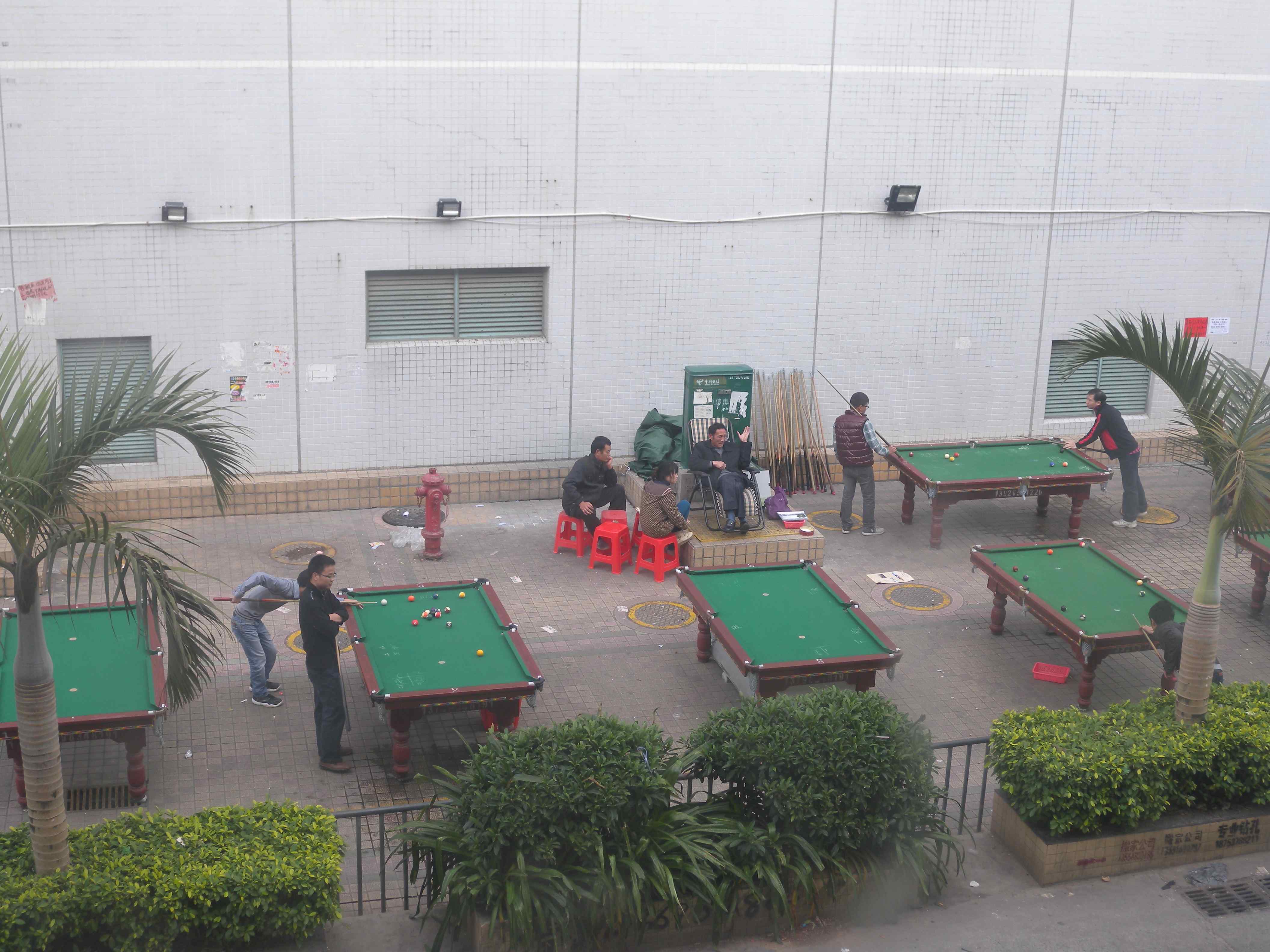
uncanny china

Anthony Vidler suggests in his introduction to The Architectural Uncanny that the uncanny suggests a “state between dream and awakening particularly susceptible to exploitation” that is experienced by Walter Benjamin’s “disturbingly heterogeneous crowds” in the modern urban context.

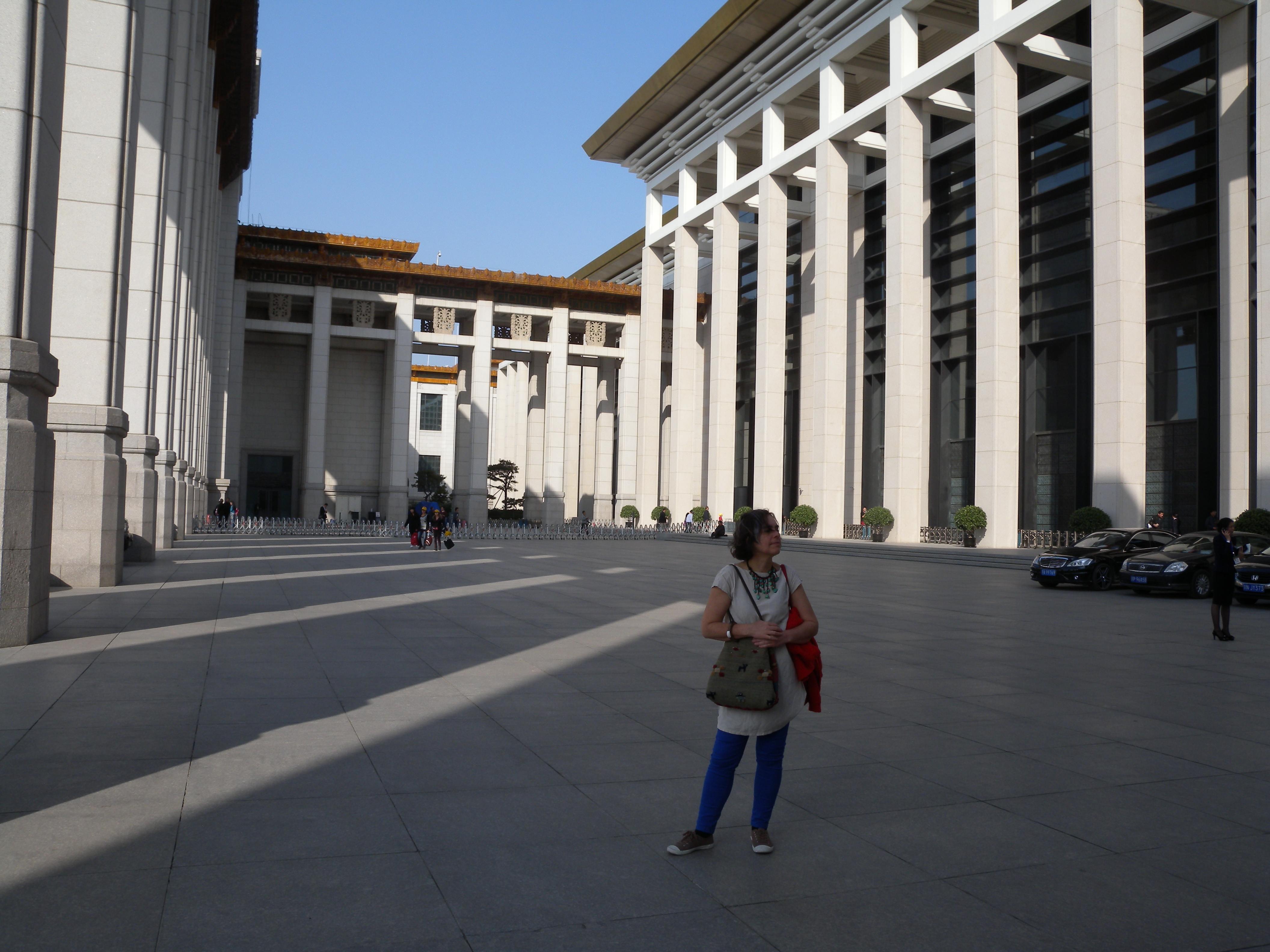
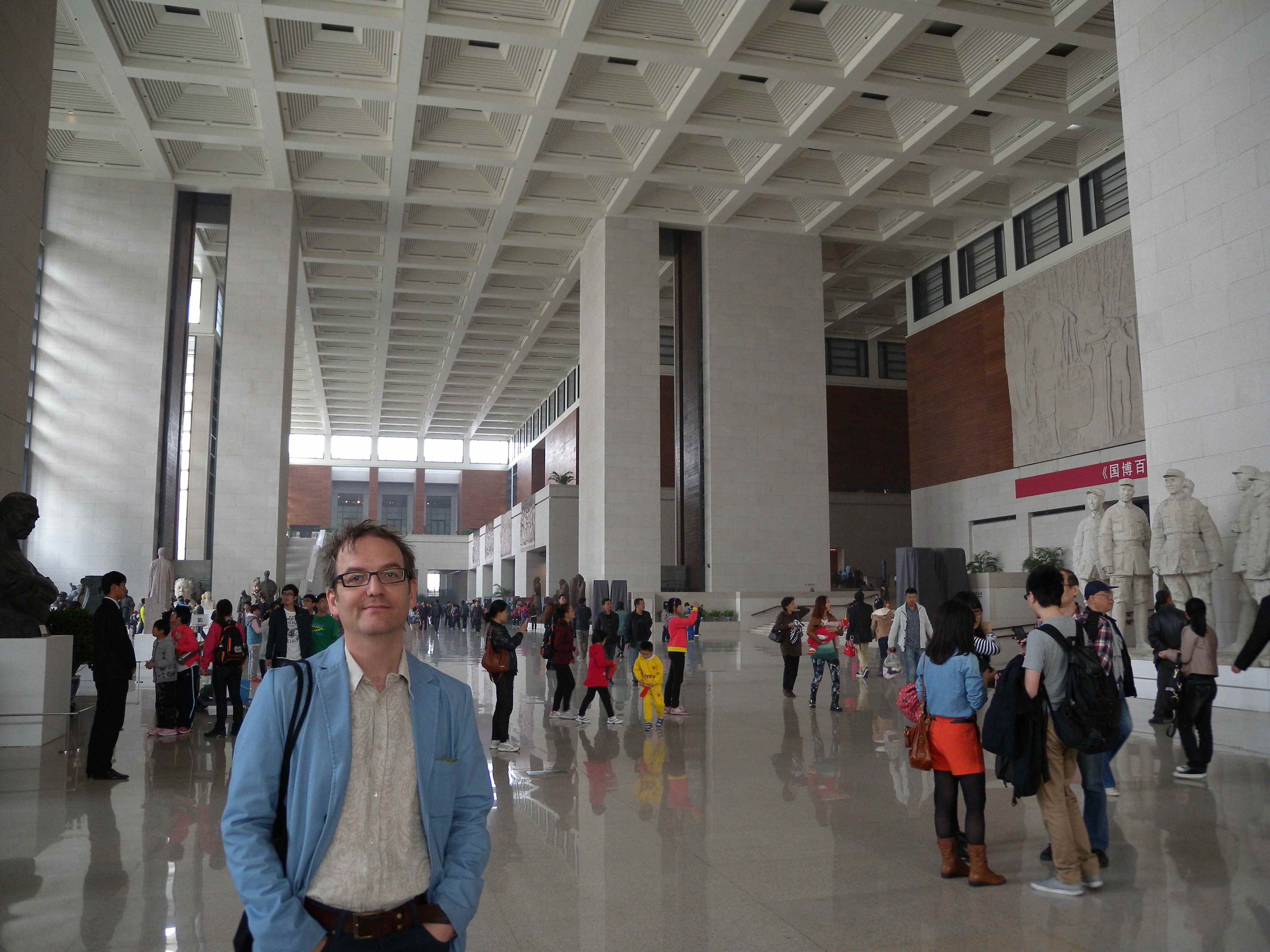
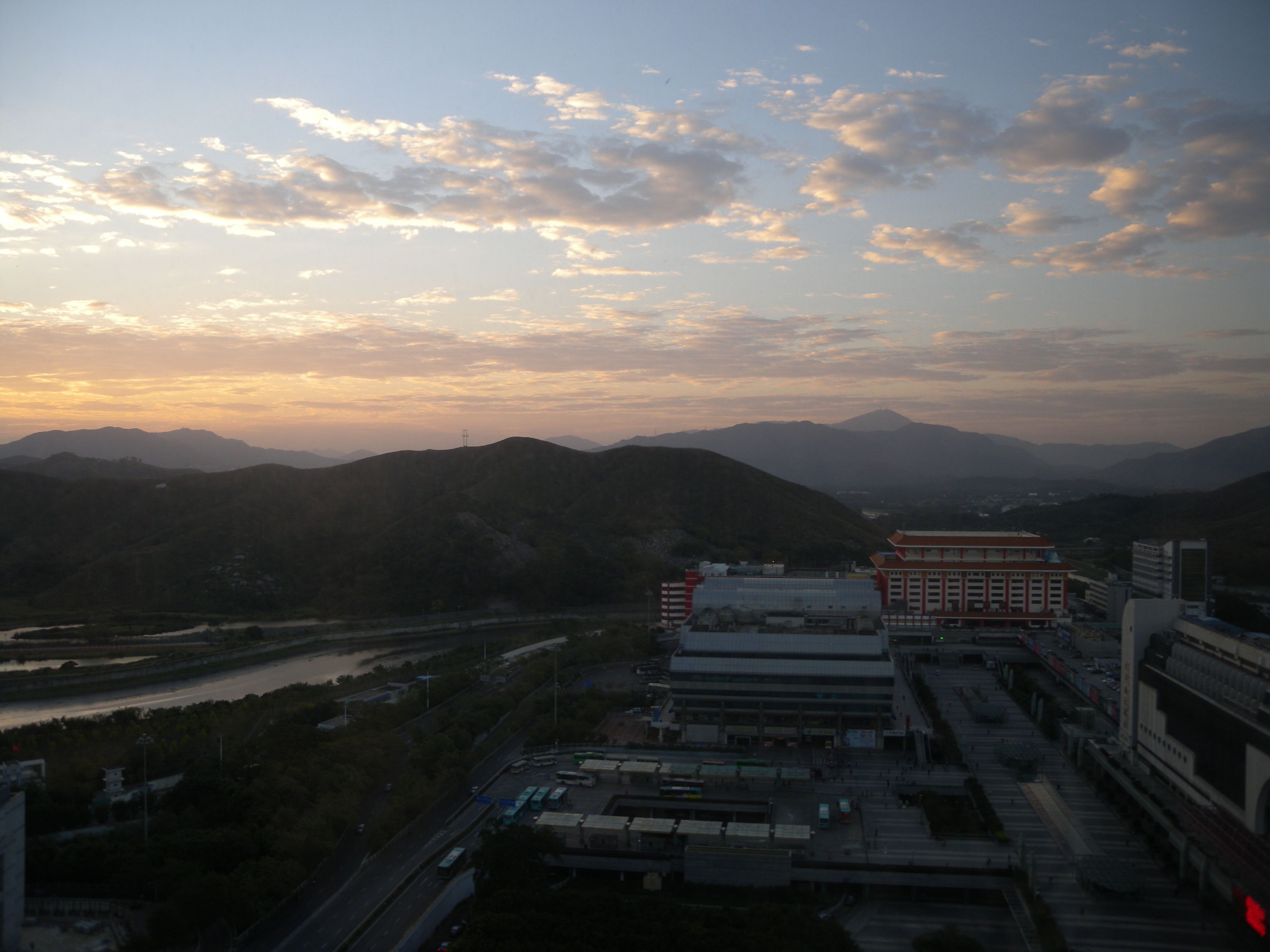
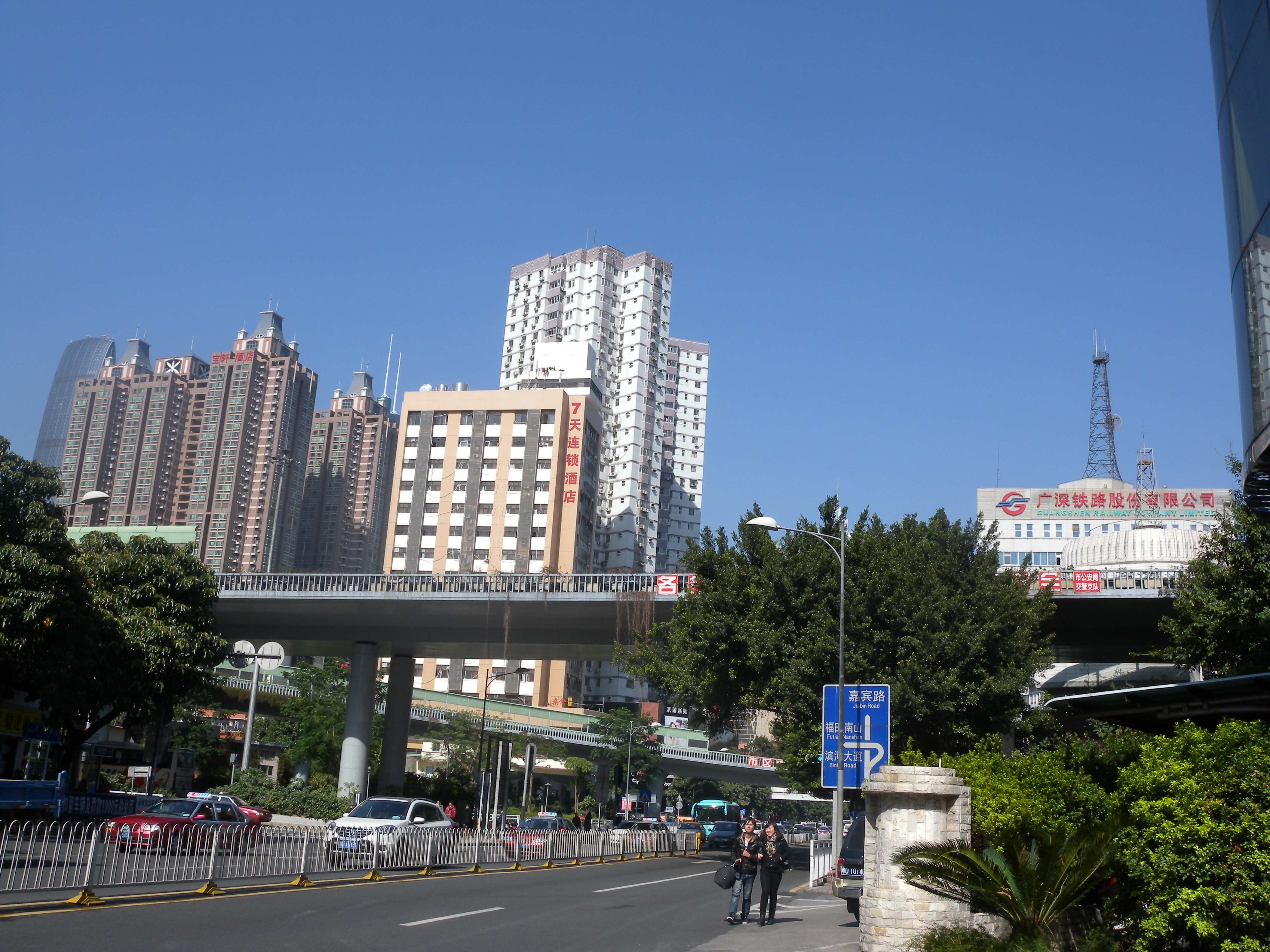
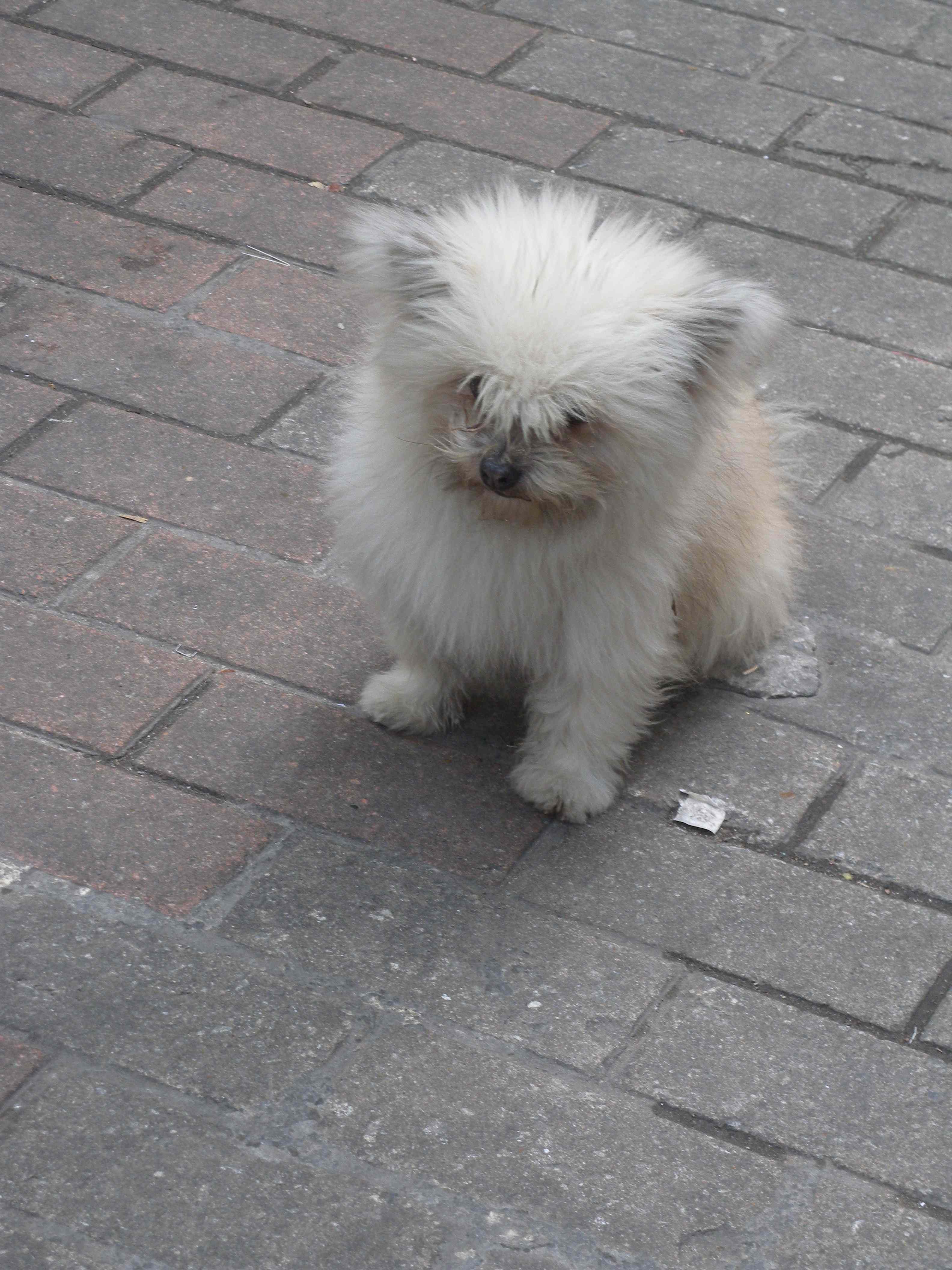
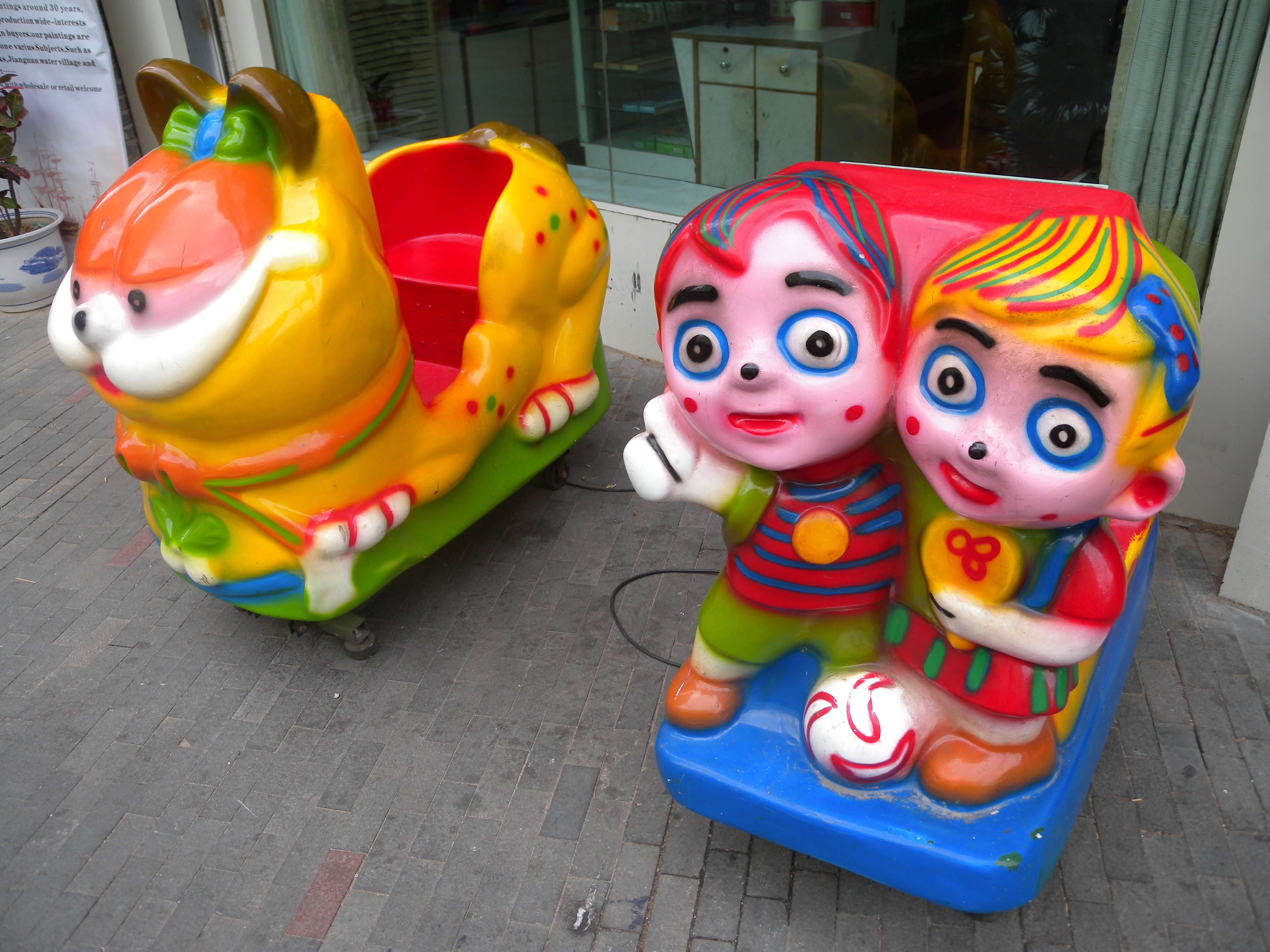
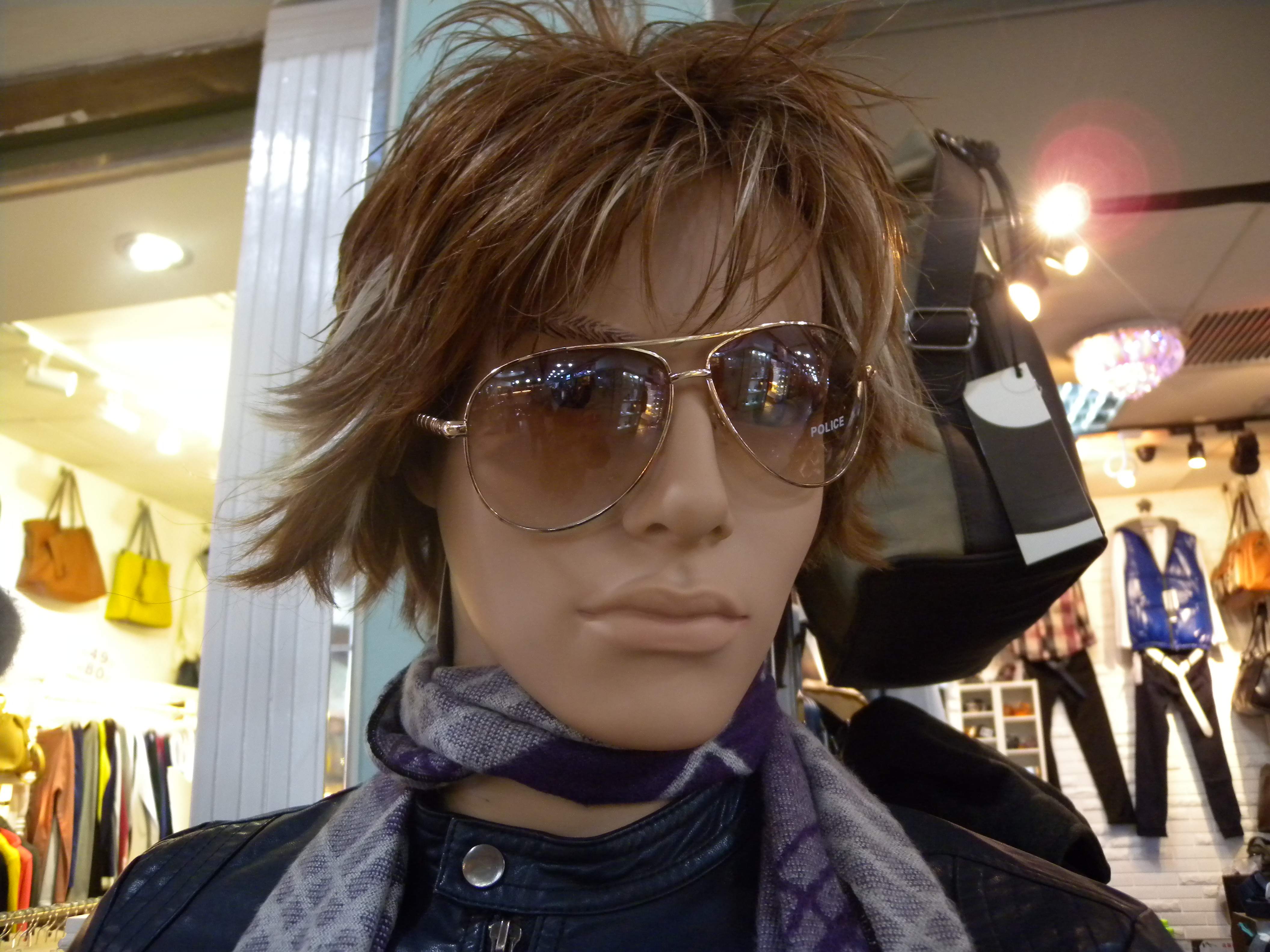
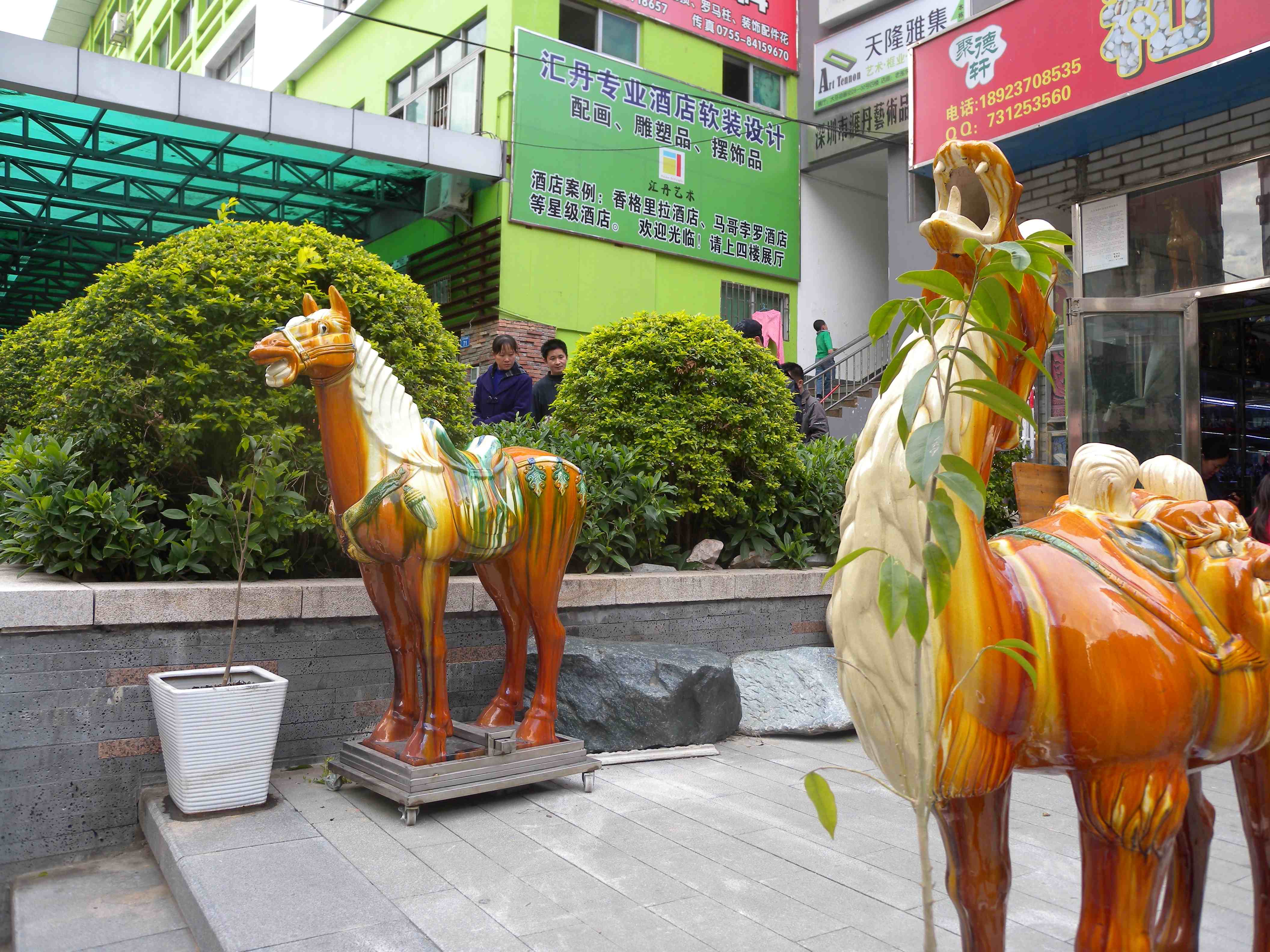
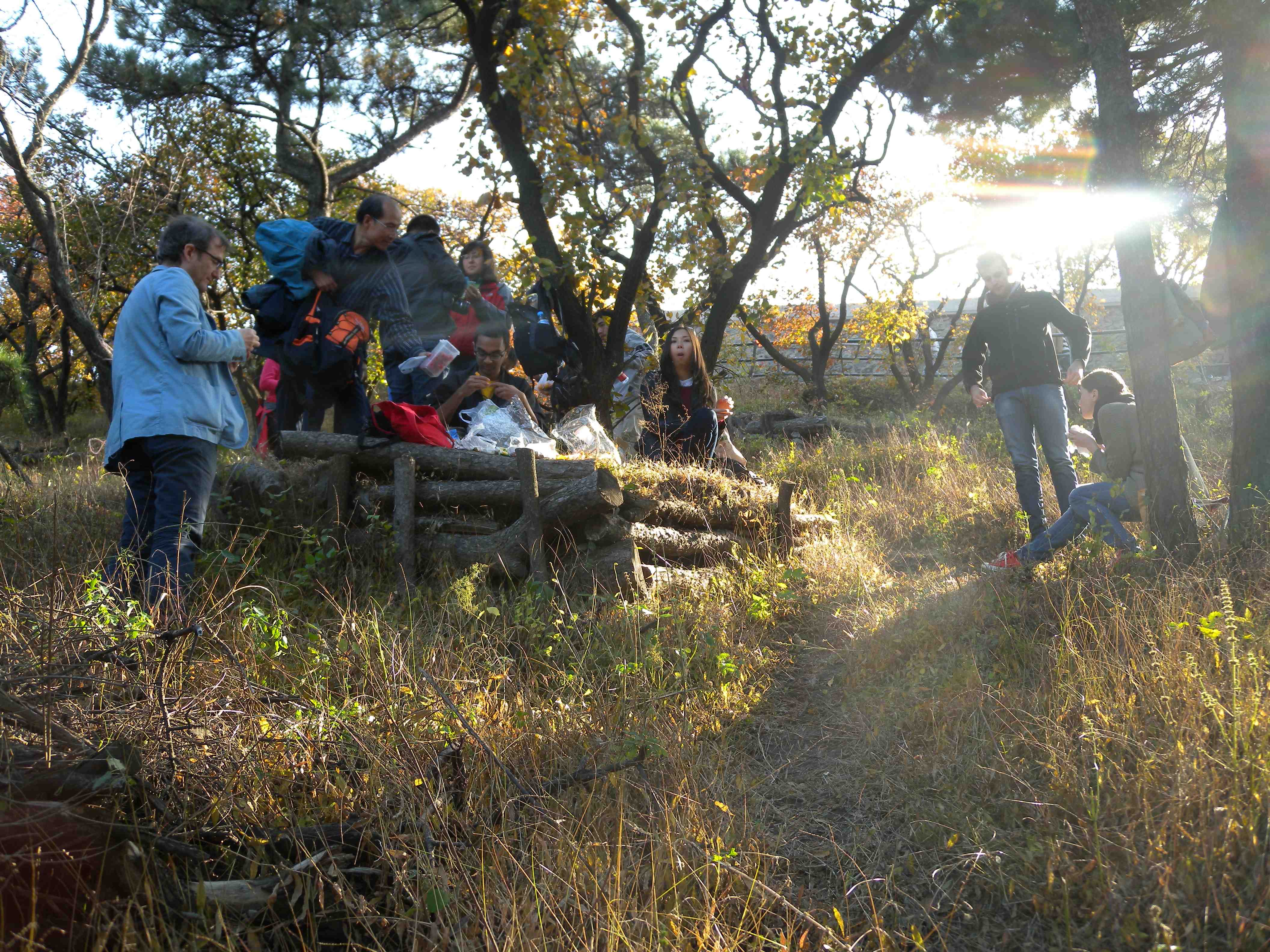
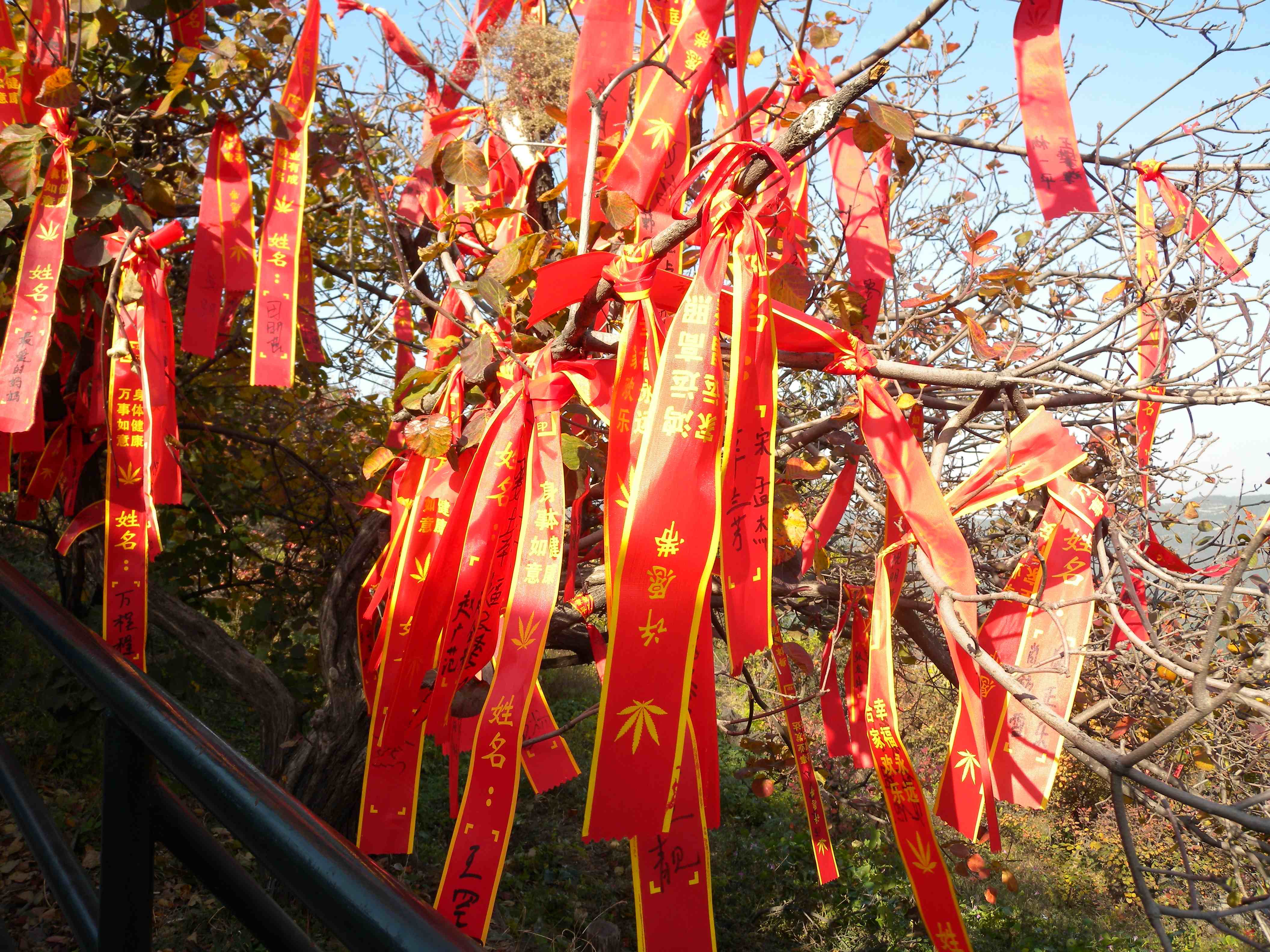
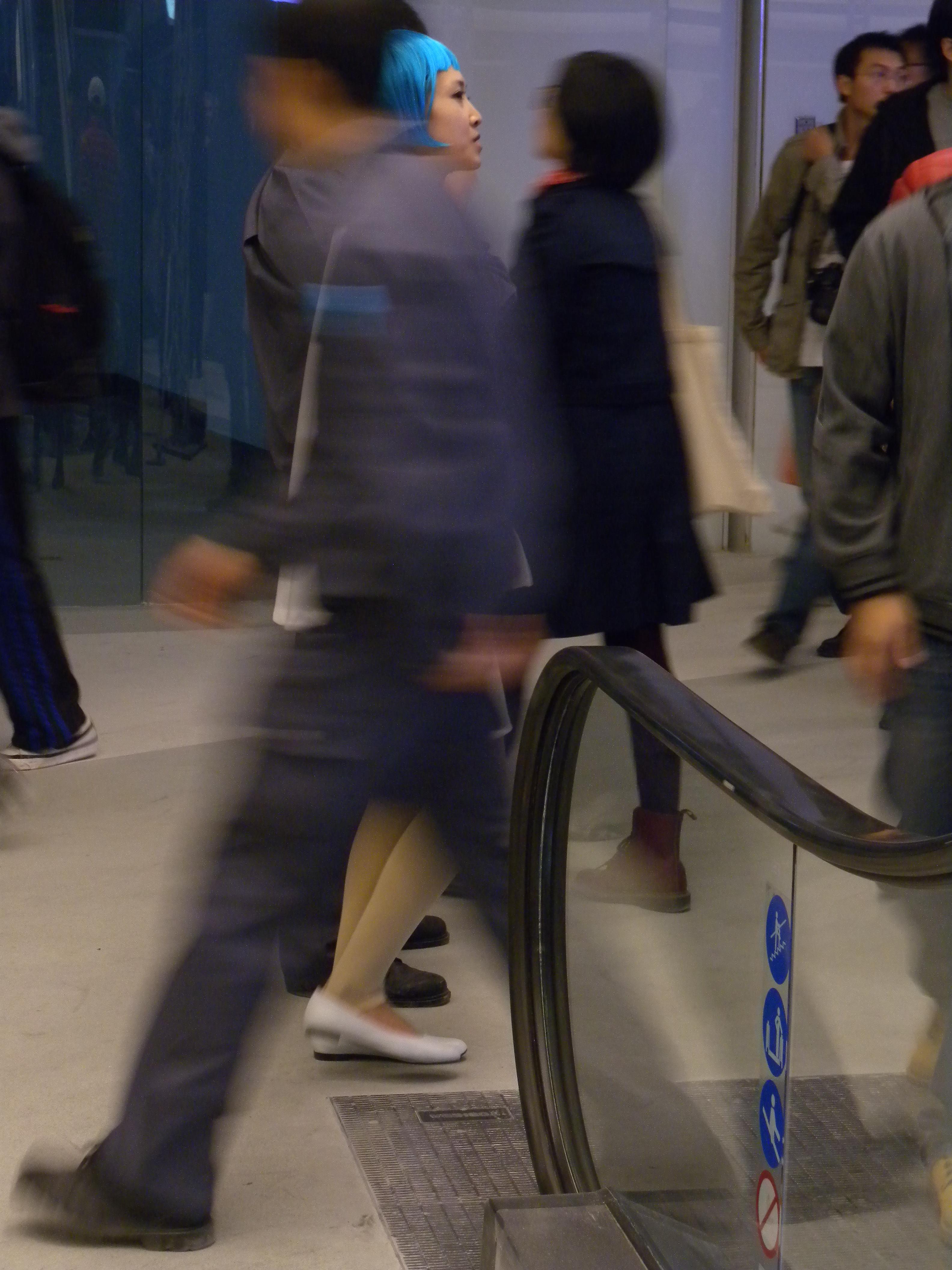
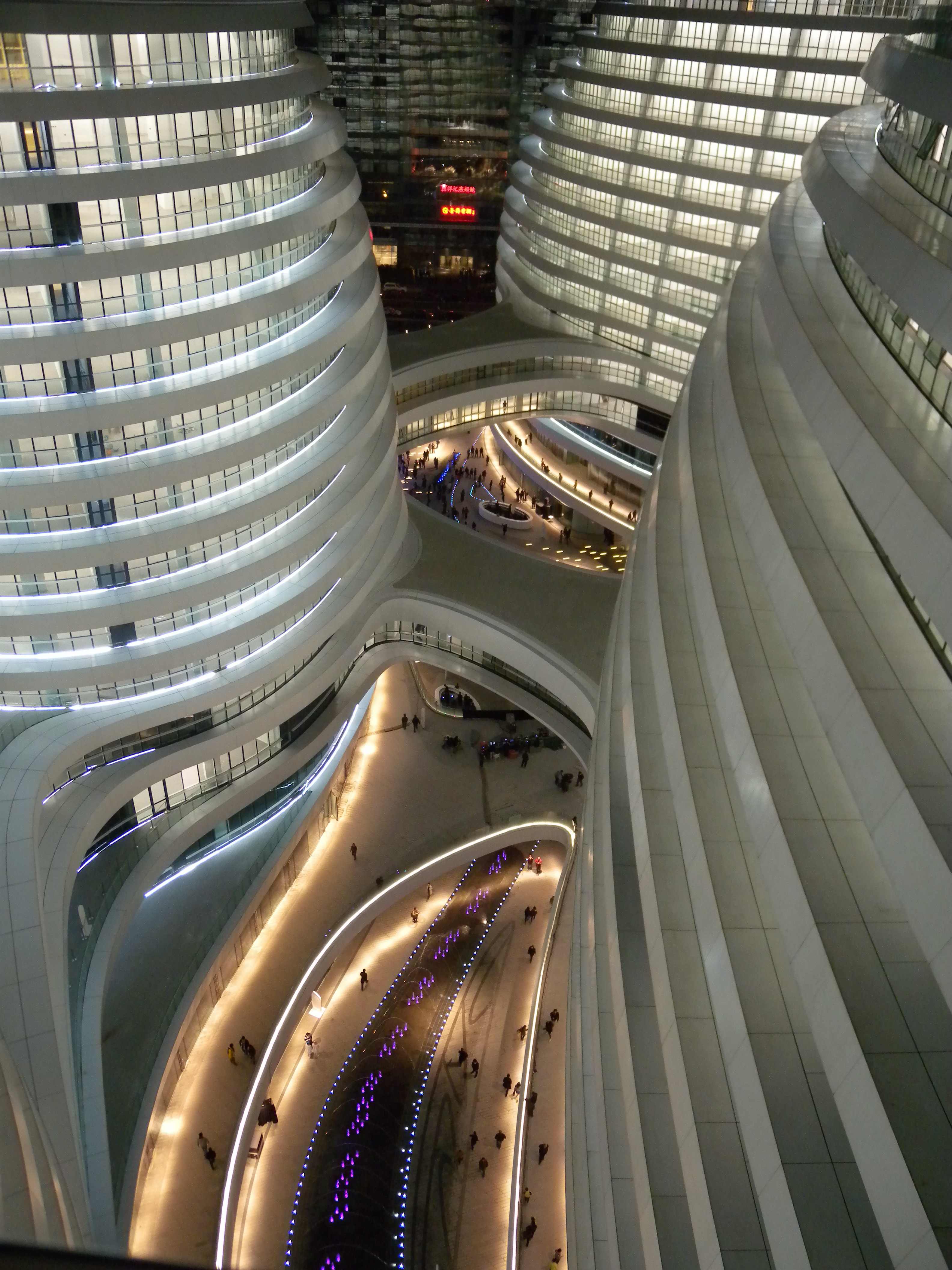
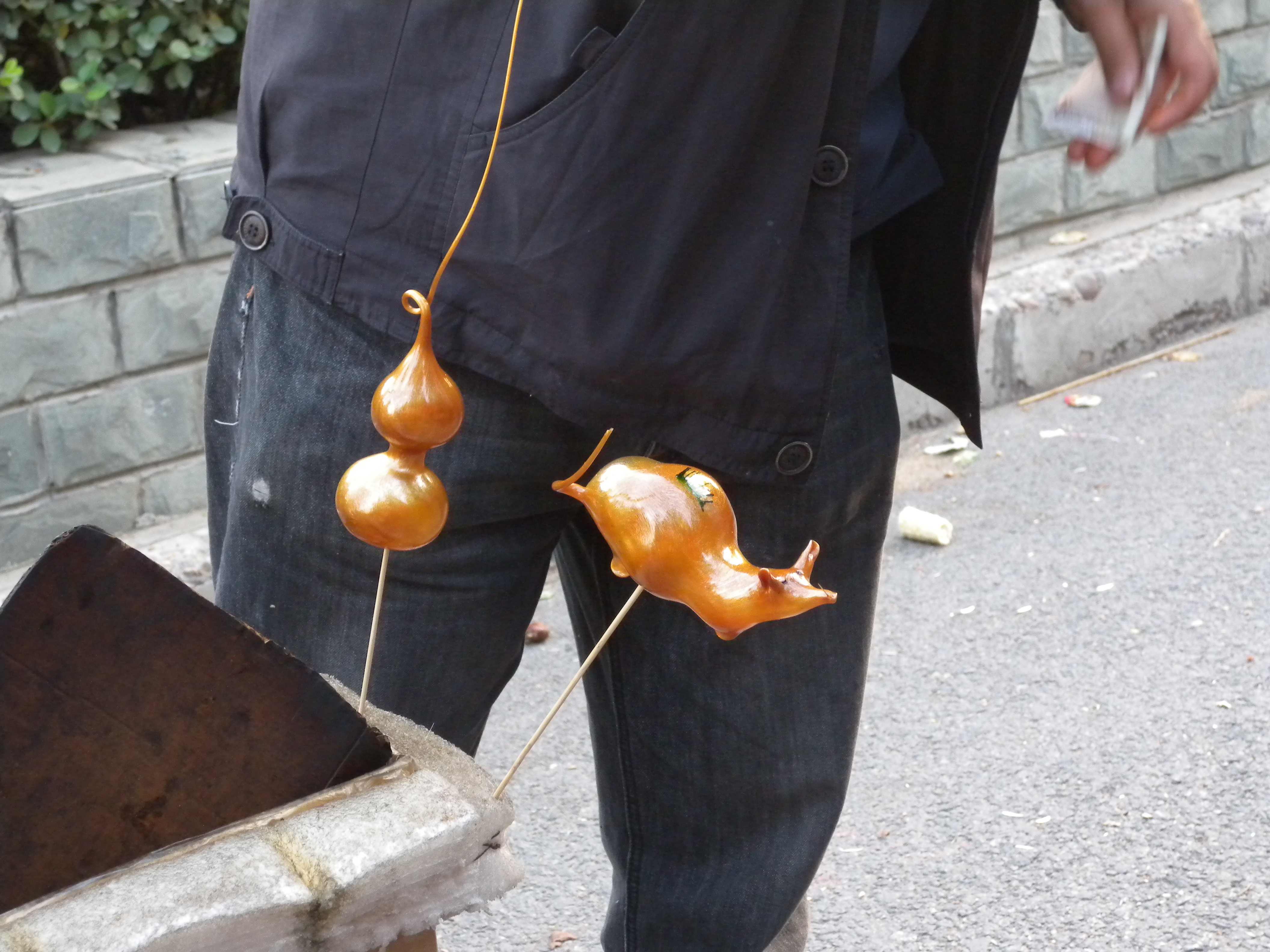
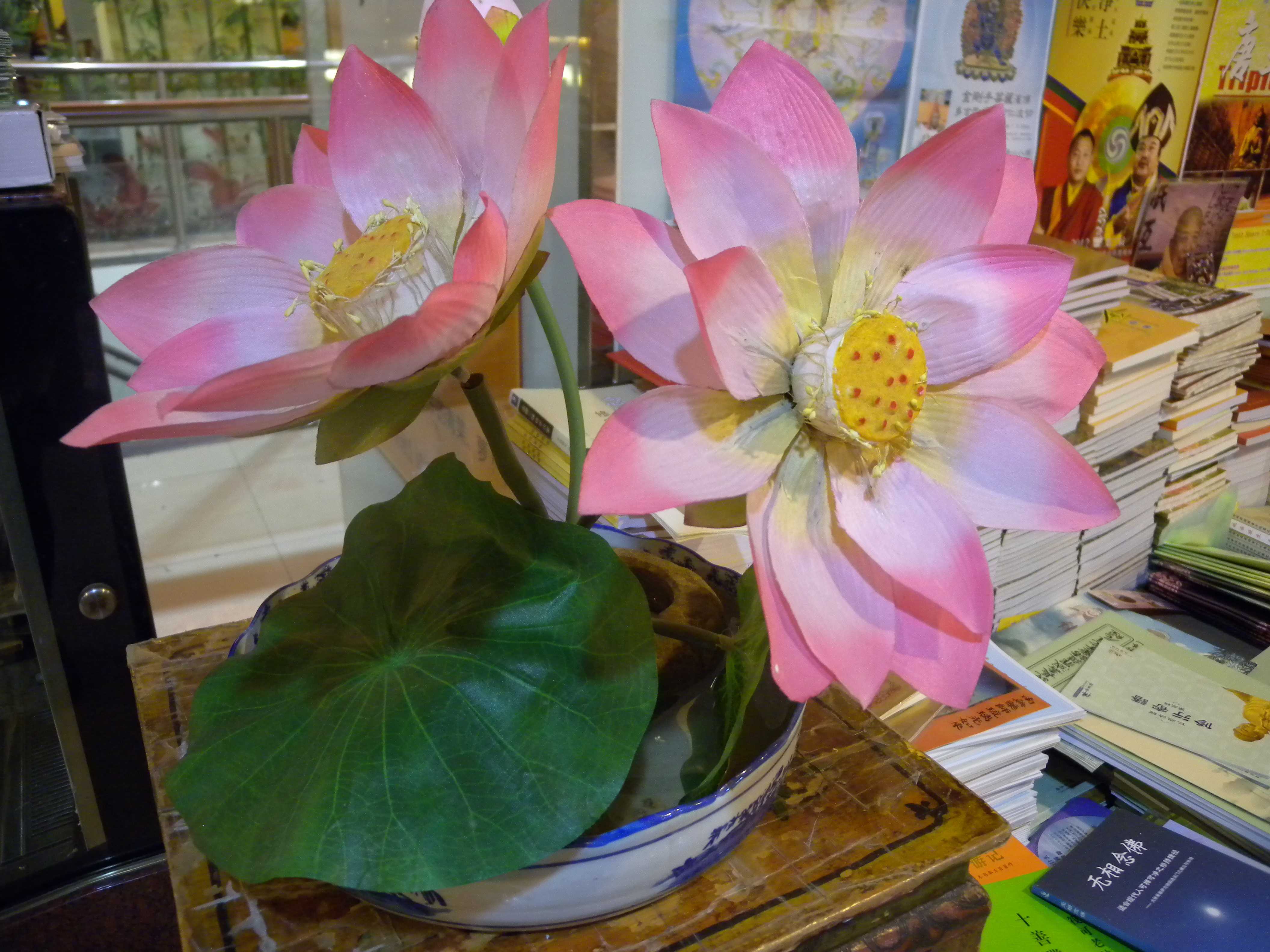
Beijing and Shenzhen certainly offer the visitor a taste of the macabre and startling excitement of raw human ingenuity, adaptability and resilience in the face of a pace of change that seems more in line with the virtual world than the real. For an artist the explosion of life and drama that appears at every turn of these cities’ unfolding landscapes provides a stimulating backdrop to studio life fake lotus outdoor poole scary santa design centre view 3 design centre view 2 design centre view museum of china statue 2 museum of china statue walking dog with pyjamas outside museum of china 2 outside museum of china inside museum of china shenzhen sunrise sunshine shenzhen cute fluffy dog surreal ride on toy shop dummie female shop dummie male shenzhen ceramic horses fragrant hills picnic fragrant hill streamers blue hair girl galaxy soho fragrant hills 1 view from galaxy soho blown sugarand here I am attempting to contain the momentary blindness from the glare of the weird by capturing it in the words and pictures of my blog. Of course I know this is impossible but it’s fun trying! Some of these images are from Hong Kong but no less intriguing for that. Oliver Wainwright examines the current Chinese propensity for faking architectural landmarks in the search for some kind of cultural cache that is upsetting Zaha Hadid and seems a little unecessary considering China did  most things before everyone else…

edinburgh, london, hong kong and glasgow december 2012

b12
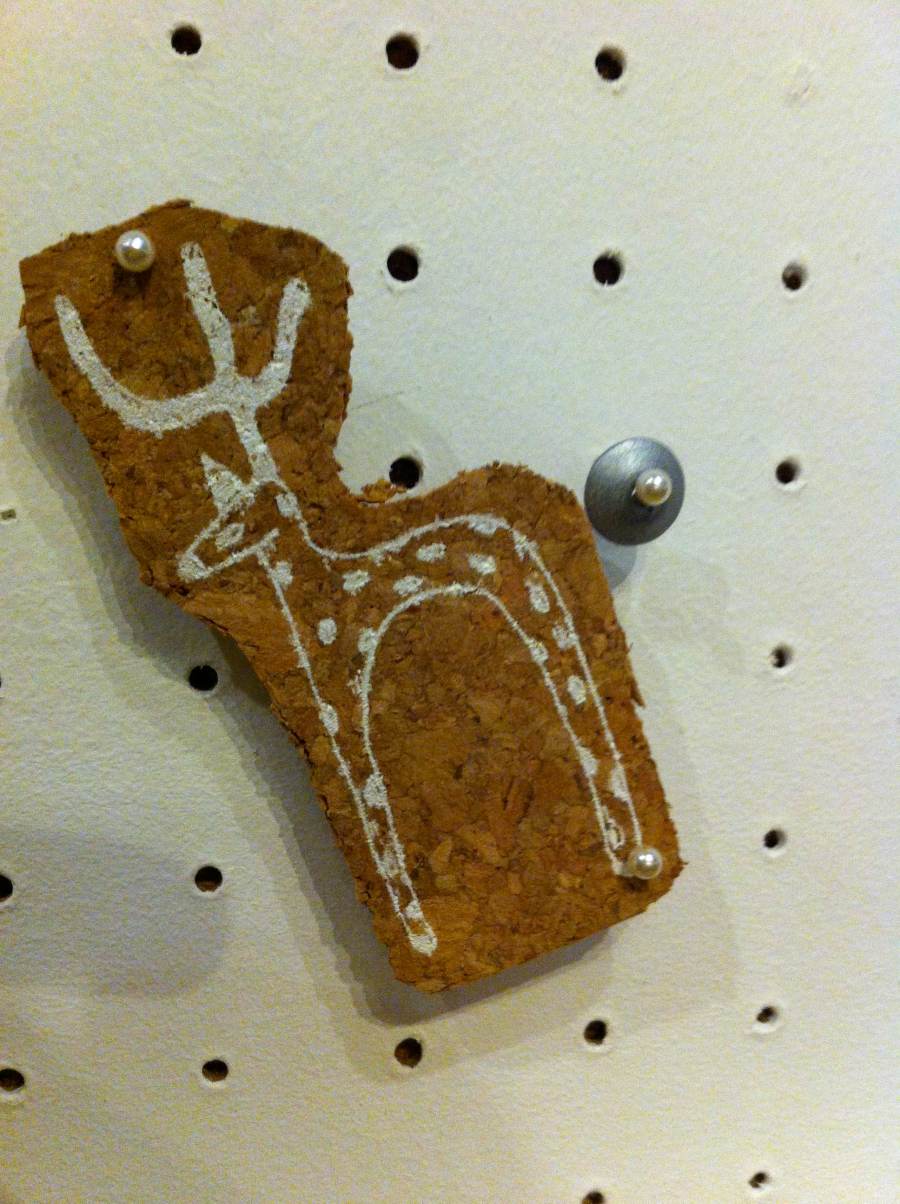
In the Broadway Cinematique at Yau Ma Tai some kind of cork reindeer possibly of Miyazake-esk origin.
blog3
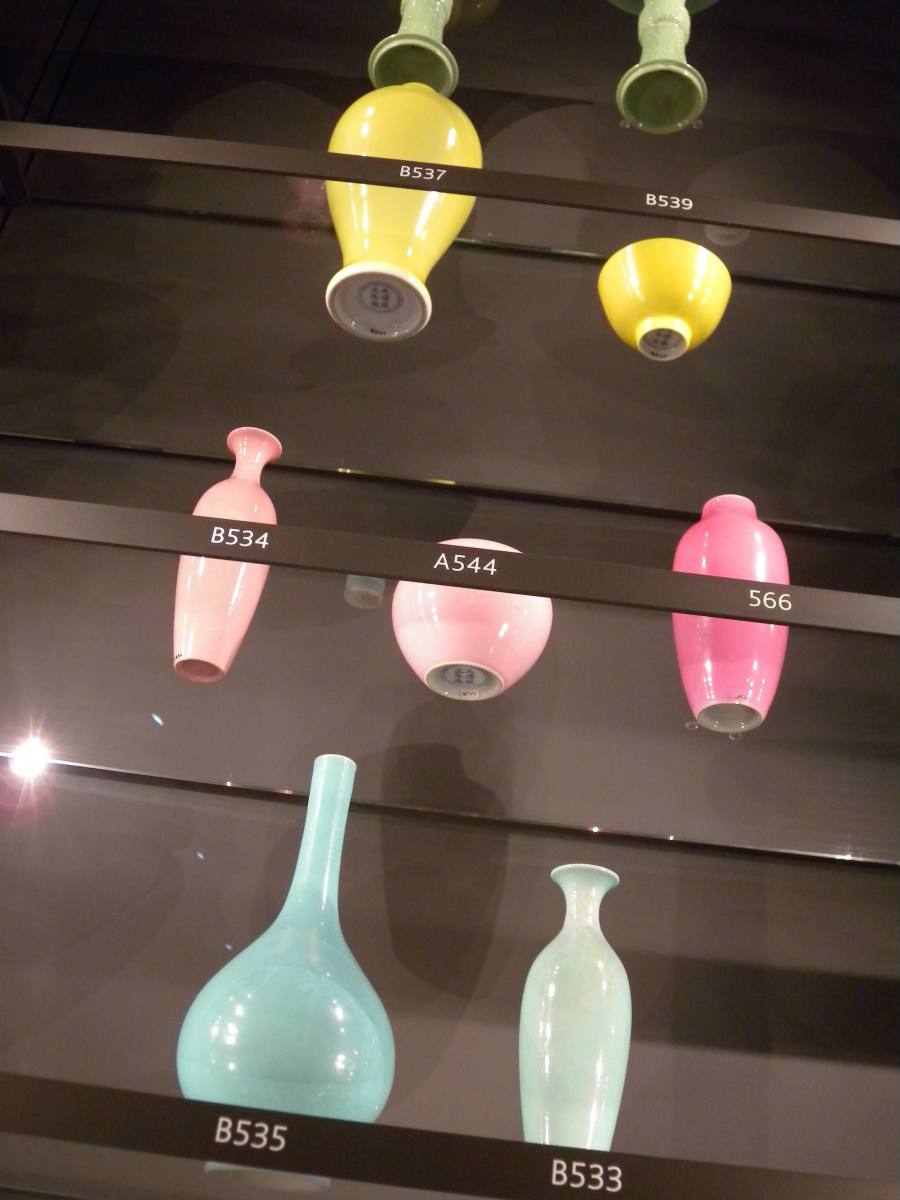
Percival David collection of Chinese ceramics at the British Museum. Amazingly modern looking but actually mostly seventeenth century vases and bowls.
b4
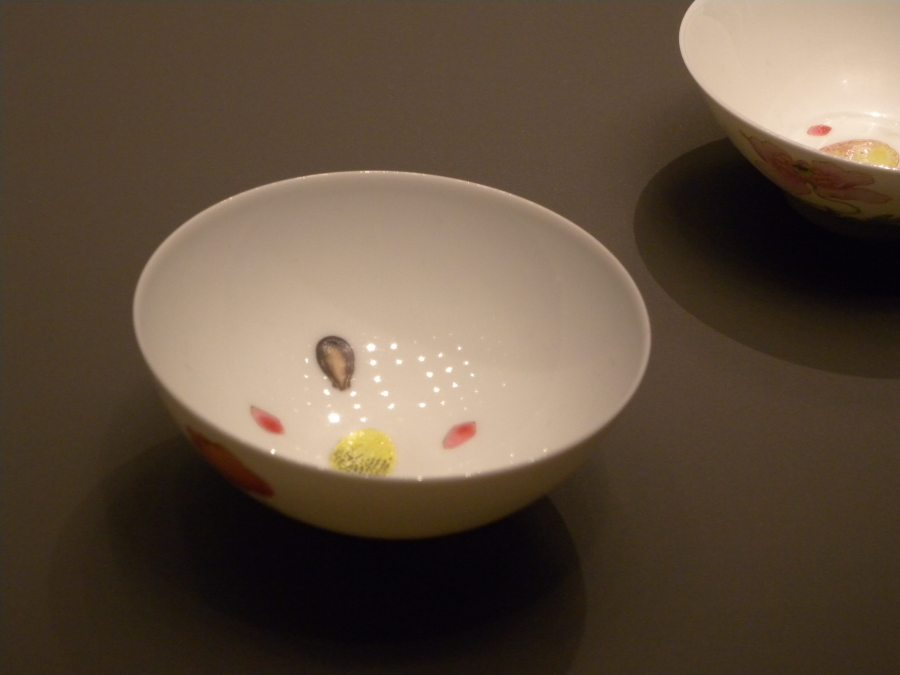
Same Chinese origin but distinctly twenty-first century style decoration, like a decal but hand-painted.
blog5
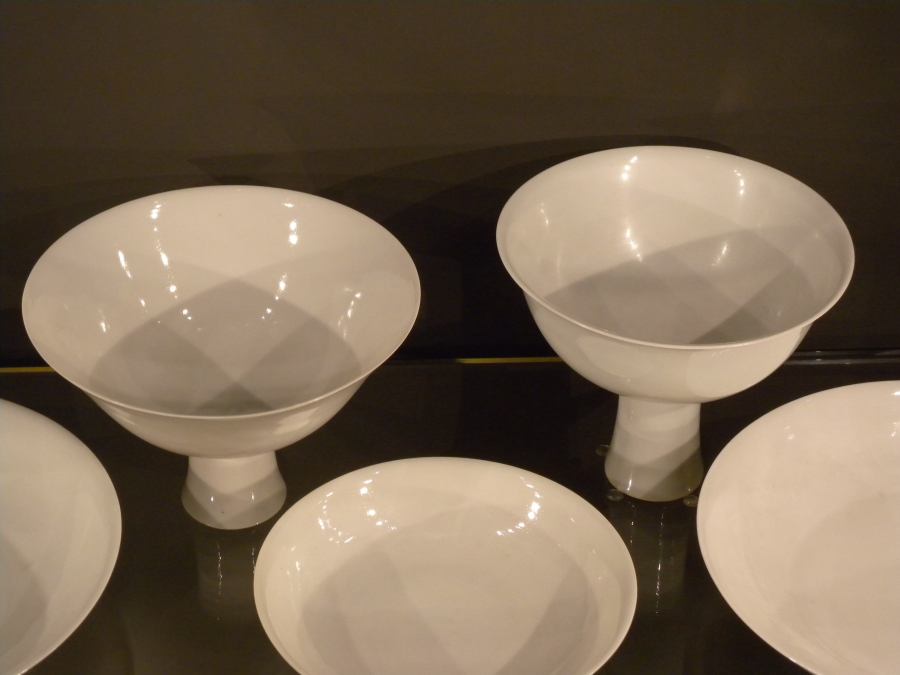
Modern forms bringing to mind Lucie Rie modernity.
b6
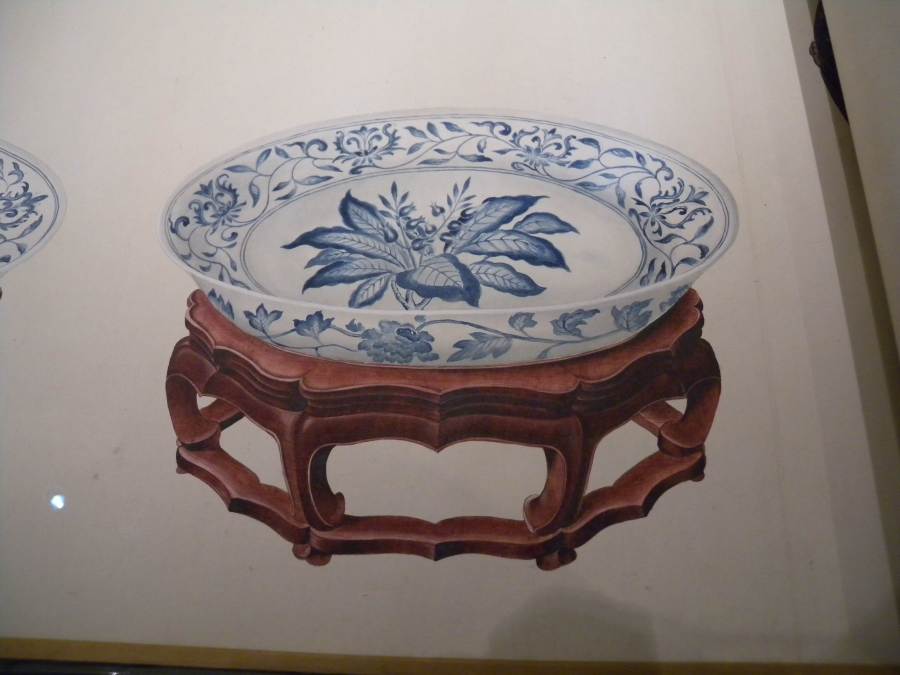
Water colour illustrated catalogue from same era and context.
b7
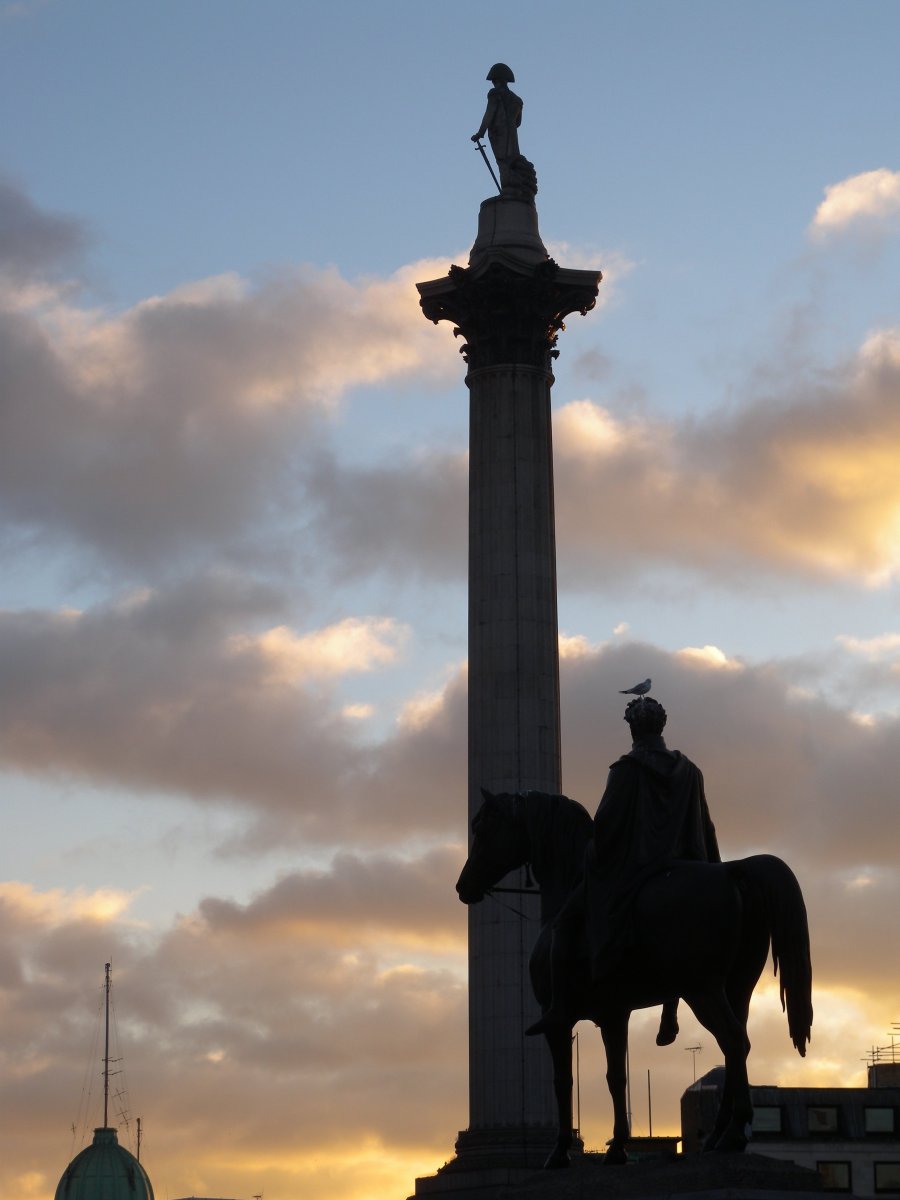
Trafalgar Square sunset with ubiquitous pigeon.
b11
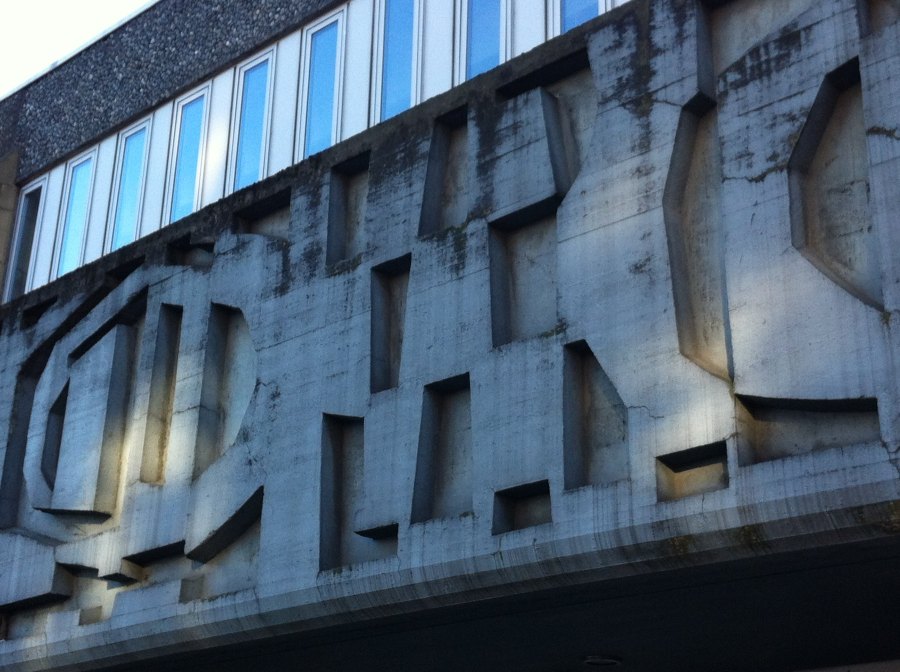
Edinburgh modernist concrete facade, building for renovation or destruction?
blog1
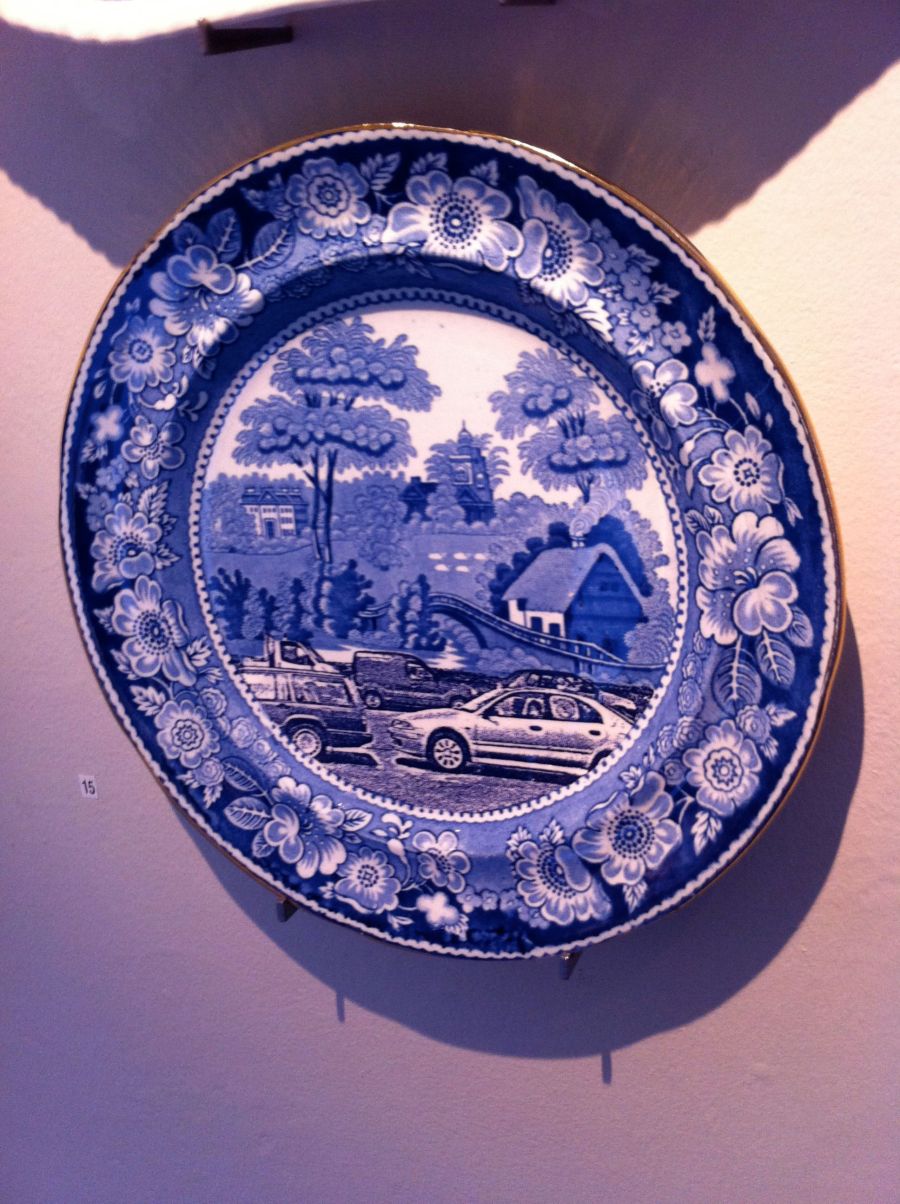
Paul Scott ceramics at the Scottish Gallery – clever and inspirational – if only I had three thousand pounds to buy the Ai Weiwei one to bring back to Beijing!
blog2
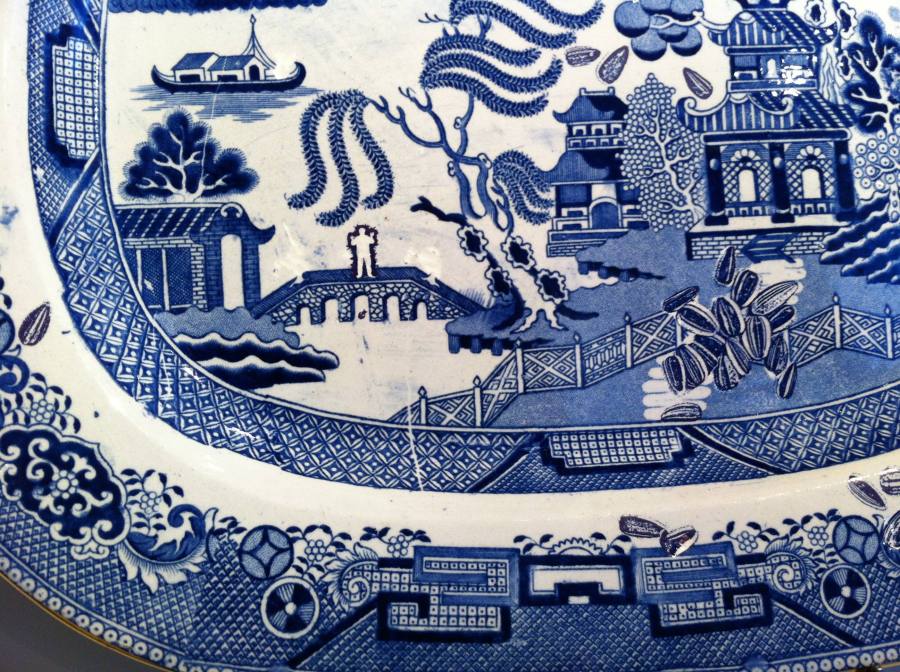
Ai Weiwei throwing an ancient Chinese vase [borrowed from the British Museum possibly?] off a bridge with oversized sunflower seeds in the foreground.
b8
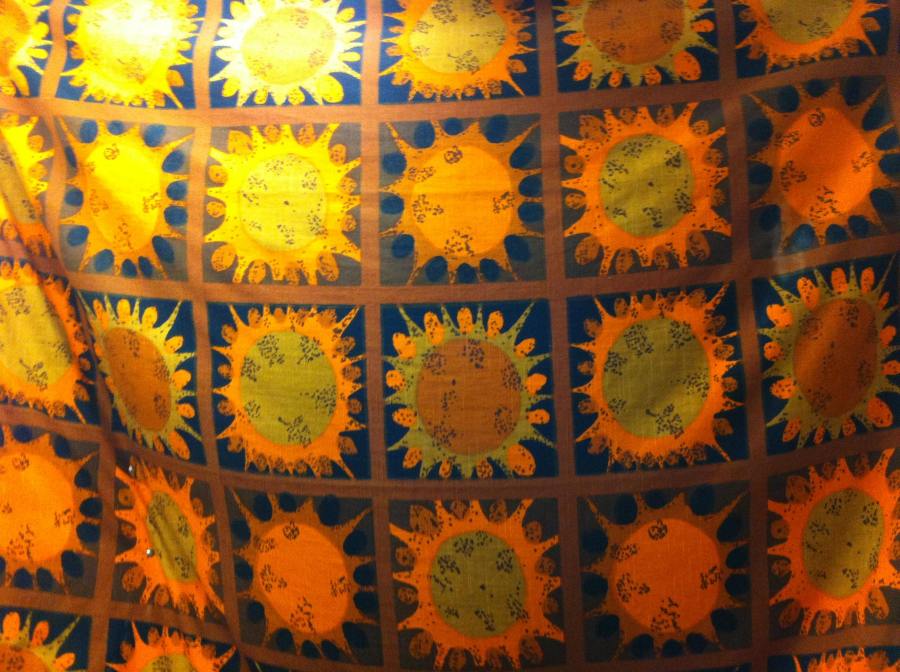
Groovy textile in Glasgow, sadly not for sale.
b9
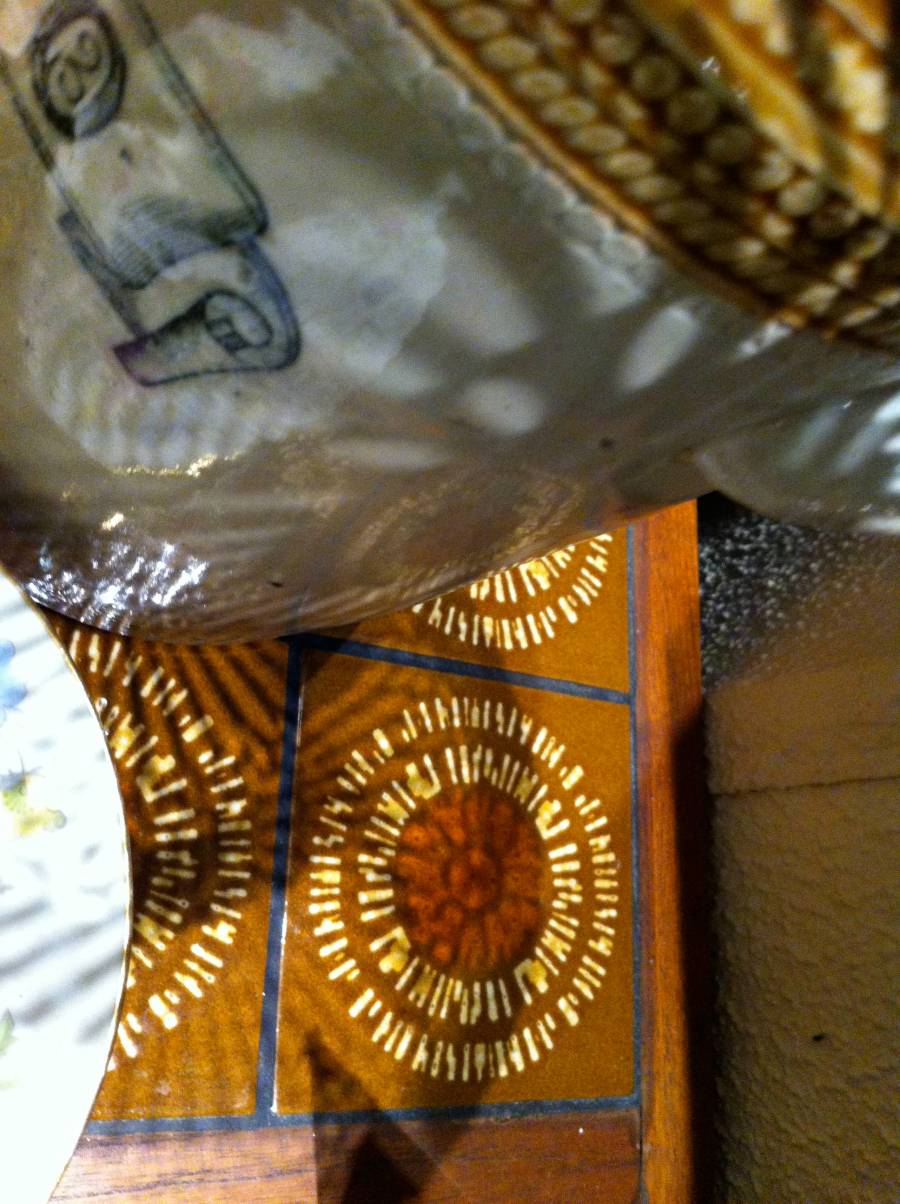
Tiled coffee table only twenty pounds but how to carry on to the plane?…sadly, so sadly had to leave ot behind.
b10
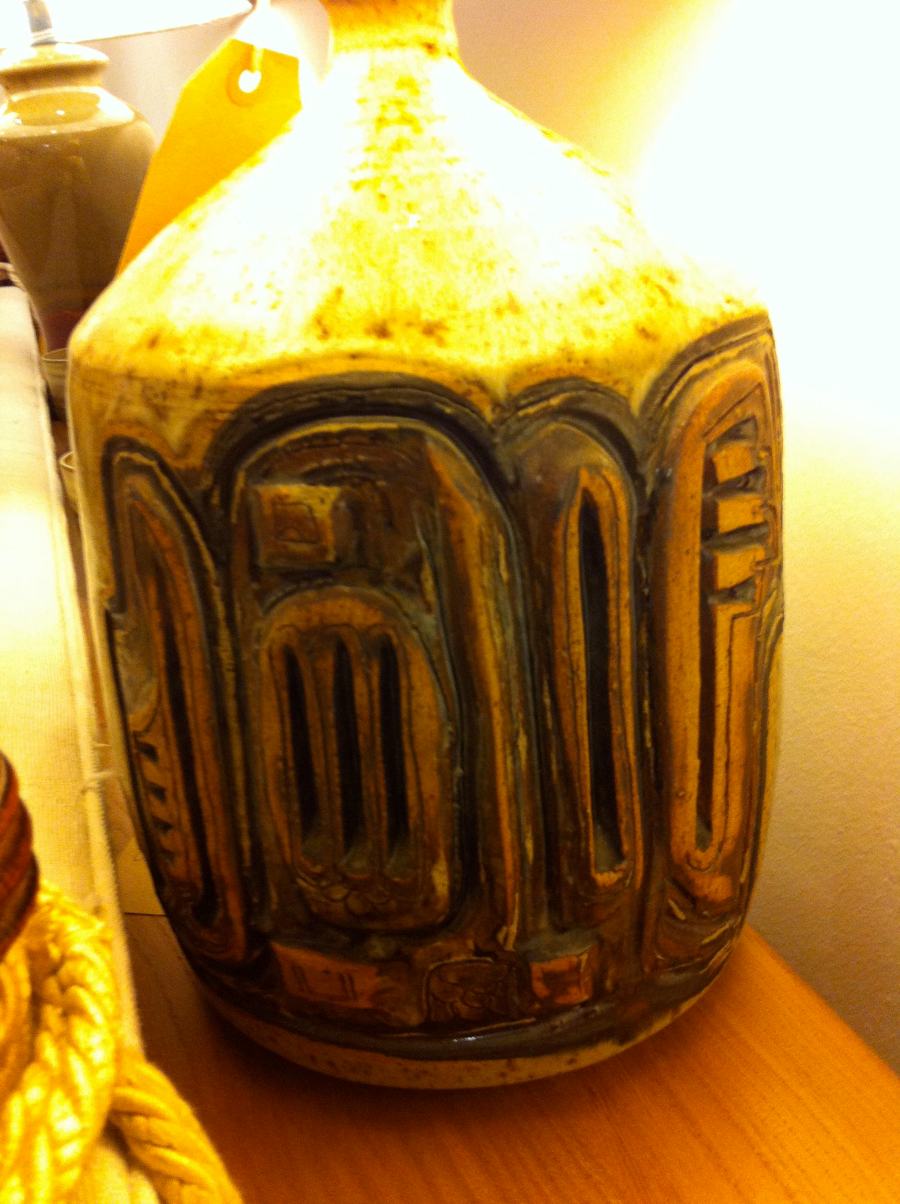
Ceramic lamp base, I could have fitted it in my hand luggage [maybe not as its already full up with volcanic German vases] but sadly [again] way too heavy!


hong kong wildlife

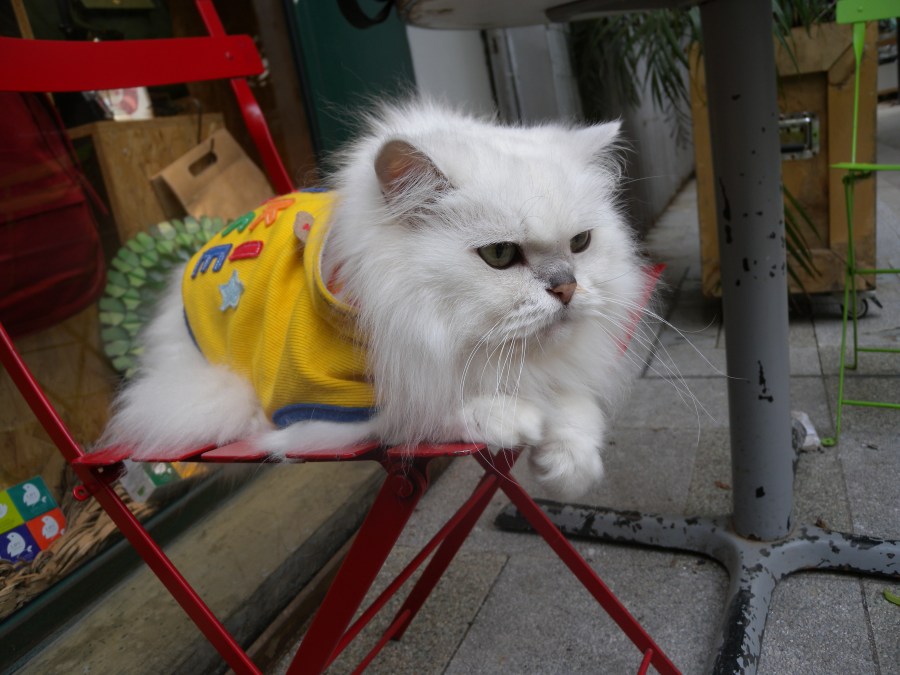
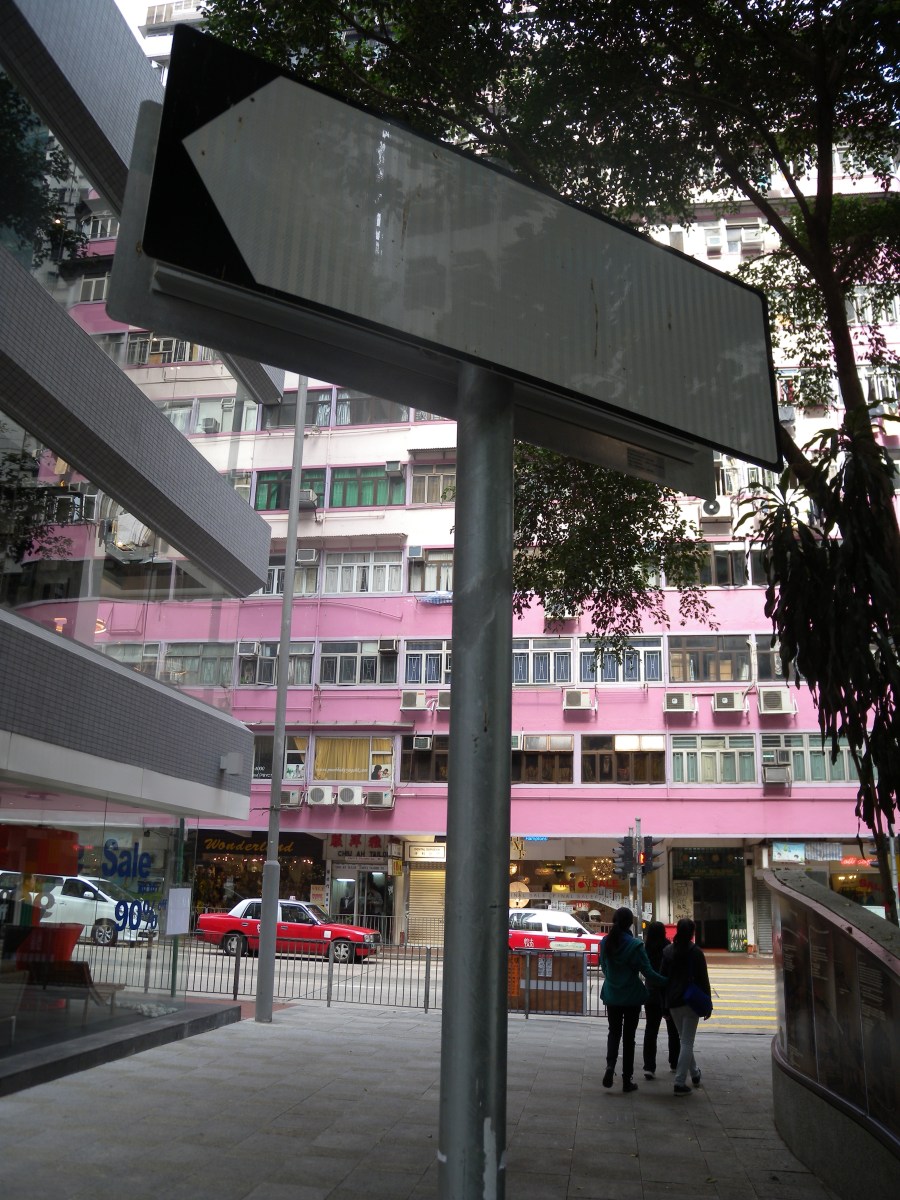
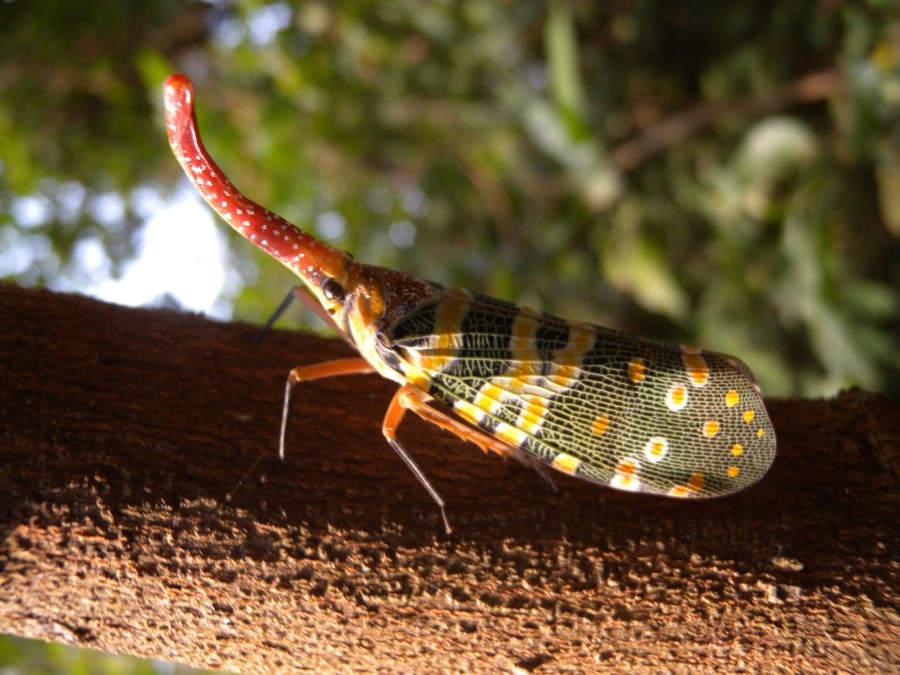
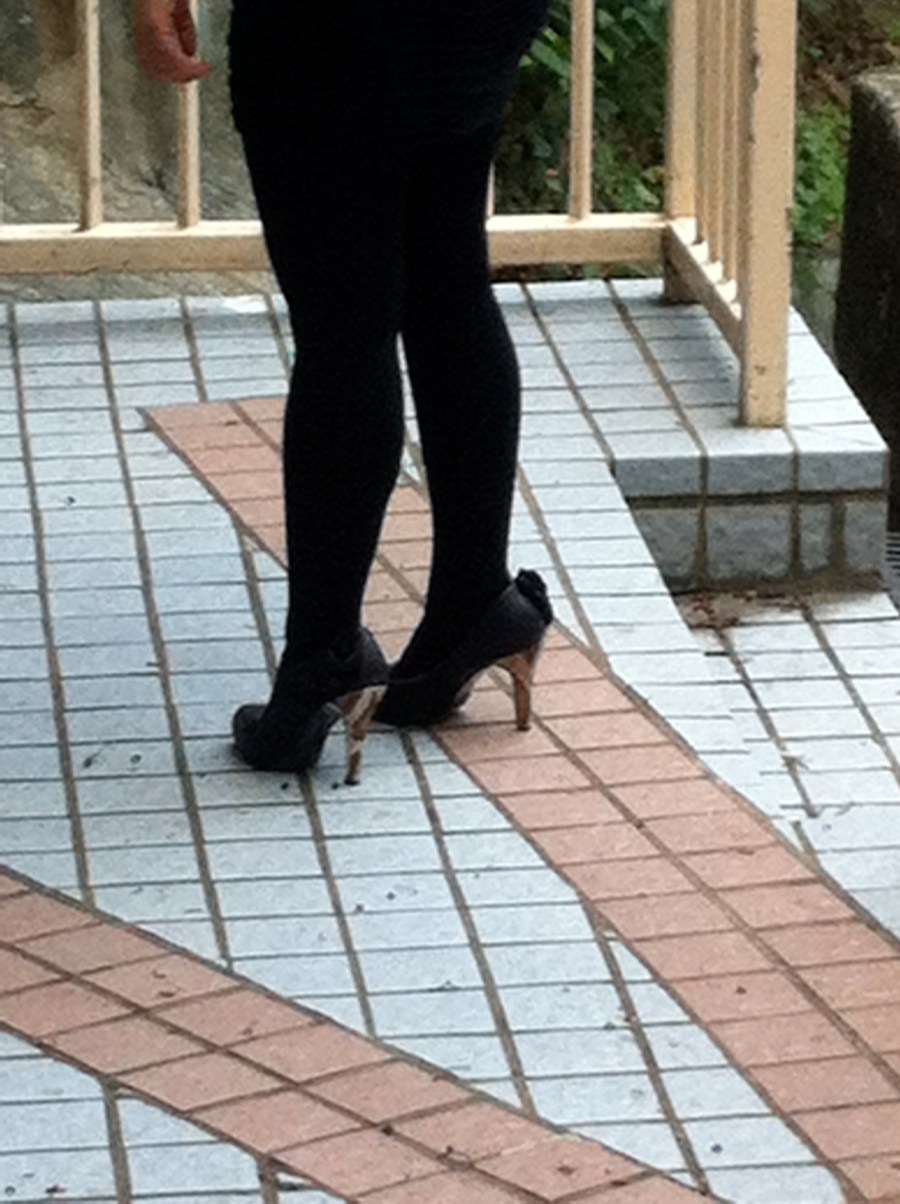
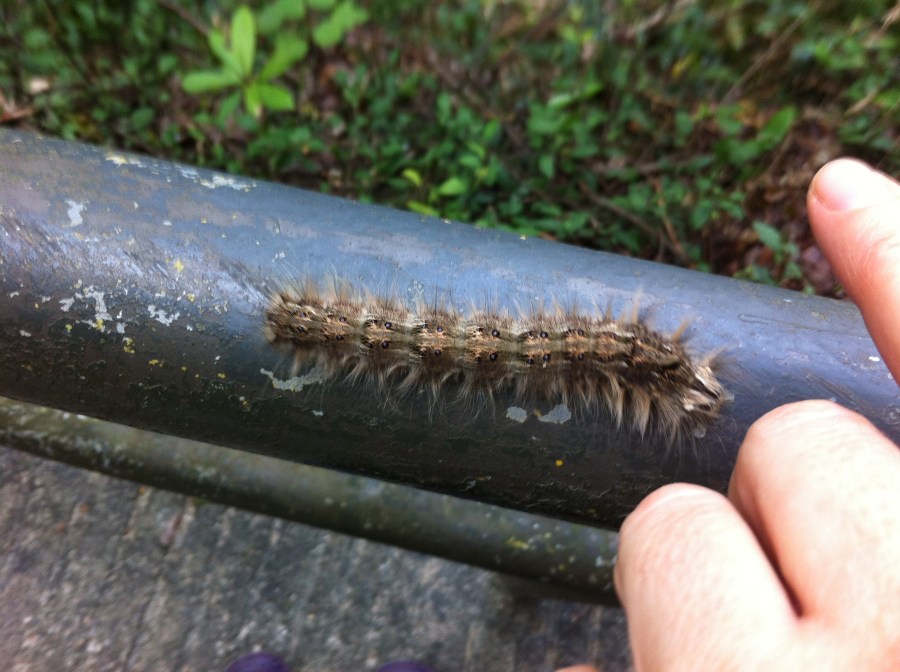
Interesting naturally occuring phenomena that can be seen whilst walking out of the city centre, up the hill and into untamed [well almost] countryside…A lantern fly, some strange incidental footwear to walk down the Wan Chai Gap in and another large, this time unidentified creature. A cross-looking but cute cat who seems arrogantly aware of its own beauty and perfectly in keeping with the slightly cliquey designer shop outside which it resides and a sign for a road to nowhere…DSCN3891DSCN3893

DSCN3802 IMG_2689 IMG_2715

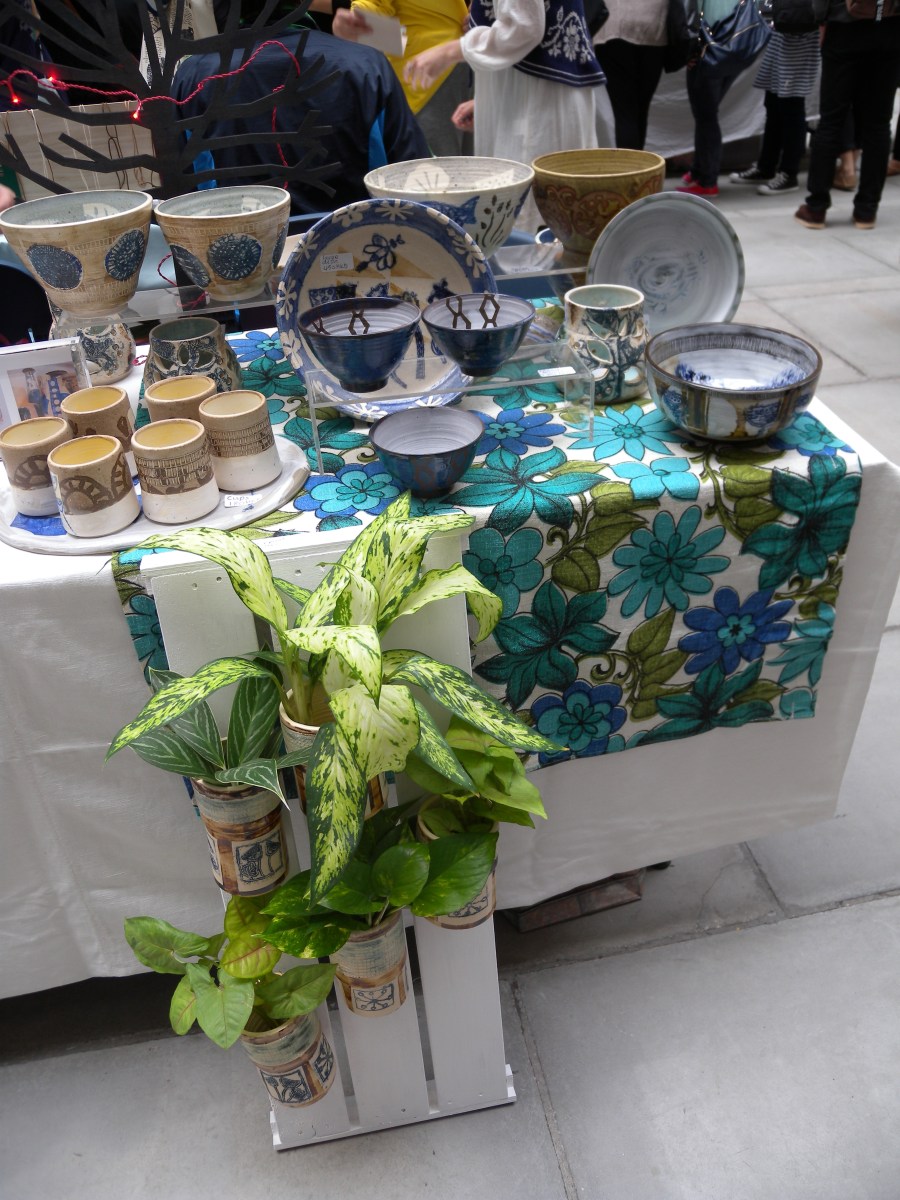
selling ceramics at the weekend

Interesting weekend at the JCCAC in Shek Kip Mei, as I managed to sell enough work to make the event worthwhile but mainly meeting some really interesting people was brilliant…even met two ceramists – Edwin, just graduated in ceramic design at St Martin’s [same BA title as my own from the late, great ceramic design BA at Glasgow School of Art!], and Caroline, a highly skilled potter from Ireland. Both throwers – a rare and exciting find in Hong Kong…or anywhere for that matter. Still an uphill struggle to impart to the visitors an inkling of the huge amount of work required to produce something of value from dirt and water but I will keep on trying and have such a long, long way to go!!!DSCN3806

urban intervention, ceramic graffiti

At home in the metropolis, the residents of the city are always on the move, both literally and metaphorically. Indeed the city itself is constantly in motion, the crowds and traffic forming the skeletal heart that swarms and flows, rarely stationary, a tide travelling relentlessly forwards. Sometimes this fluid journey becomes snagged along the way where a pathway is blocked or an individual pauses to rest, die or give birth. Baudelaire, Freud, recognise this endless flow, its strangeness, its uncanniness, that rarely surfaces into the conscious minds of the city’s residents, so attuned are they to the ubiquitous sights of destruction and rebuilding that form the backdrop to their lives.
Pottery, by contrast, is a slow process. To form an object from clay requires the commitment of time and concentration, and the physical effort of shaping its plasticity in response to the mind’s projections. Graffiti is covert, drawing attention to the city’s forgotten and neglected spaces or challenging the ethos of consumption and aspiration for economic power. Combining these two artistic imperatives creates an illogical and uneasy fusion that materialises into functional objects that merge into the internal or external environment providing places for a flower or a weed to grow. The feelings of extimacy produced by the city are channelled into the production of ceramic vessels that can relocate from the street to the home, allowing the boundaries of private and public to dissolve in the way that is so much a part of imagining Hong Kong.

fracturing the concrete rhizome

‘As a model for culture, the rhizome resists the organizational structure of the root-tree system that charts causality along chronological lines and looks for the original source of “things” and looks towards the pinnacle or conclusion of those “things.” A rhizome, on the other hand, is characterized by “ceaselessly established connections between semiotic chains, organizations of power, and circumstances relative to the arts, sciences, and social struggles.”’

The notion of the rhizome as a cultural model suggested by Gilles Deleuze and Felix Guattari represents an approach to the postmodern world that incorporates planar and trans-species connections as opposed to the linear or binary arborescent concept of knowledge. This approach favours multiple, non-hierarchical entry and exit points in contrast to a vertical and linear perception that suggests inherent meanings along a historicist pathway that leads from beginning to end and supposes an inevitable conclusion from past precedents.

Whilst this pragmatic approach risks rationalising injustice and inequality it encourages equal participation in and integration into Hong Kong culture for all of its residents and suggests new ways of seeing and imagining the city as represented by the weed pushing its way through the concrete façade.

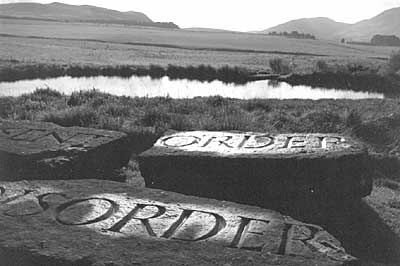
“The present order is the disorder of the future” Louis Antoine de Saint-Just

Little Sparta, Scotland

Ian Hamilton Finlay

Finlay’s context is almost the antithesis of the urban environment of Hong Kong yet his juxtaposition of Saint-Just’s words carved in stone set against the seemingly timeless Scottish landscape reflect mankind’s innate yet misplaced sense of self importance in light of the natural world’s inevitable indifference to human concerns. Finlay’s attempts to tame nature in the creation of a garden is no more futile than the efforts of urban developers to incessantly pour concrete onto this sub-tropical island. The weeds will return and knowing this we can enjoy the manufactured environment while it lasts.

As a ceramic artist in Hong Kong the transience of city’s infrastructure is a crucial influence on my work. Through reference to the timeframe of the 1950s to the 1970s my ceramic production reflects an imperative to understand and attempt to in some way influence this city of momentous change. The aesthetic tropes of the built environment that incorporate similar patterns and motifs to those used in vintage British tableware of the same era are a source of visual reference that I incorporate in my interpretations of the city through clay. This fascination with a nostalgic reference to the recent past represents a progression from the research that I undertook into the British tableware industry spanning the same two decades whist studying at Glasgow School of Art in 2004-2008.

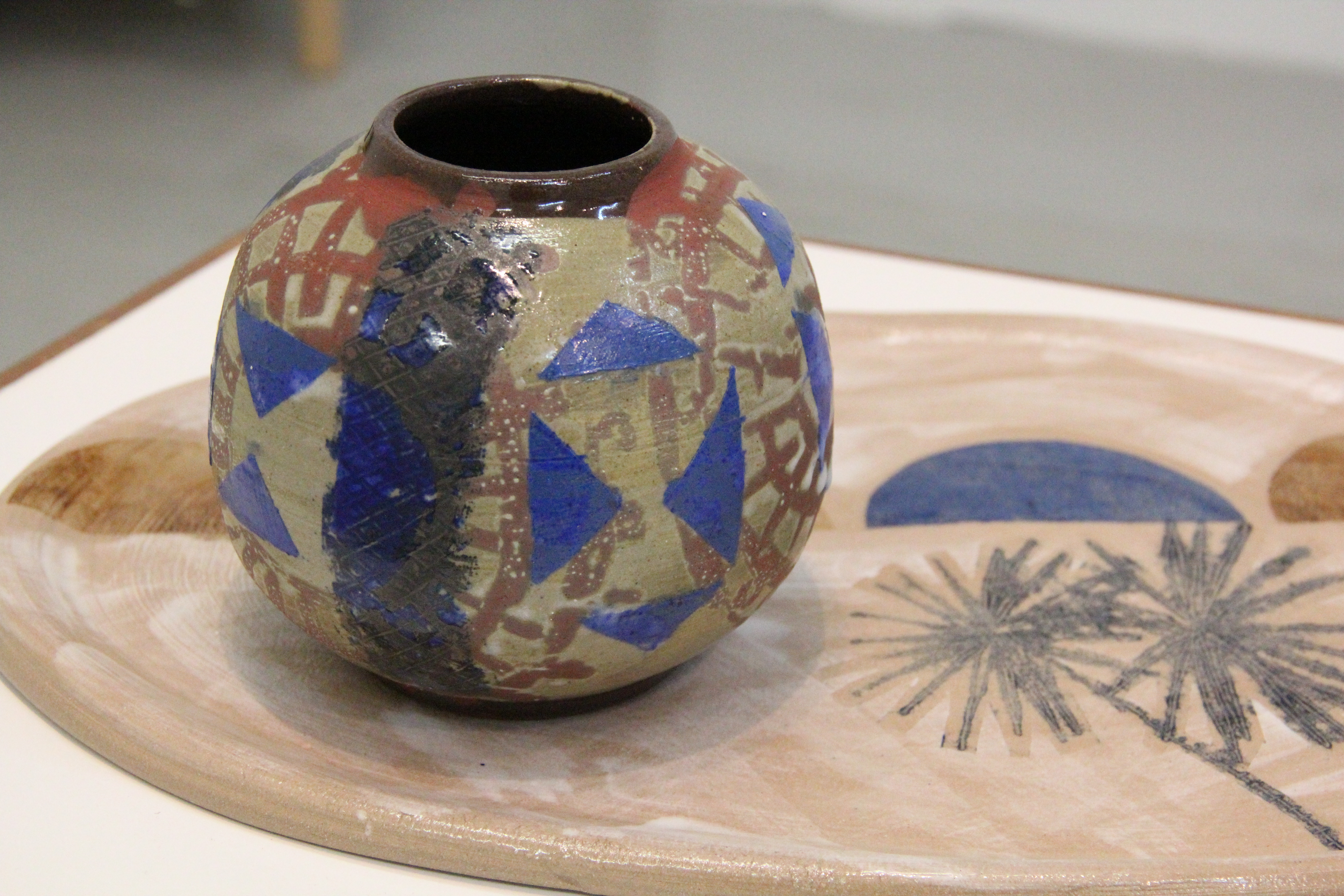
My practice centres on thrown forms that serve as canvasses for abstracted visual interpretations of the urban environment. These images are created using the process of mono-printing and are purposefully restricted to a limited colour palate of naturally occurring oxide tones such as cobalt blue, manganese brown and copper green. As my artistic practice has evolved to incorporate research into theoretical cultural critiques of city life my ceramic craft has developed in response to this. In particular I am in the process of organizing a project that involves a process of drift through the city as suggested by situationism’s Guy Debord and Asger Jorn as a way to imagine and interact with Hong Kong’s rapidly evolving built environment.

“Let us summarise the principal characteristics of a rhizome: unlike trees or their roots, the rhizome connects any point to any other point, and its traits are not necessarily linked to traits of the same nature; it brings into play very different regimes of signs, and even nonsign states. The rhizome is reducible neither to the One nor the multiple…It is composed not of units but of dimensions, or rather directions in motion. It has neither beginning nor end, but always a middle [milieu] from which it grows and from which it overspills.”

Gilles Deleuze and Felix Guattari  Rhizome

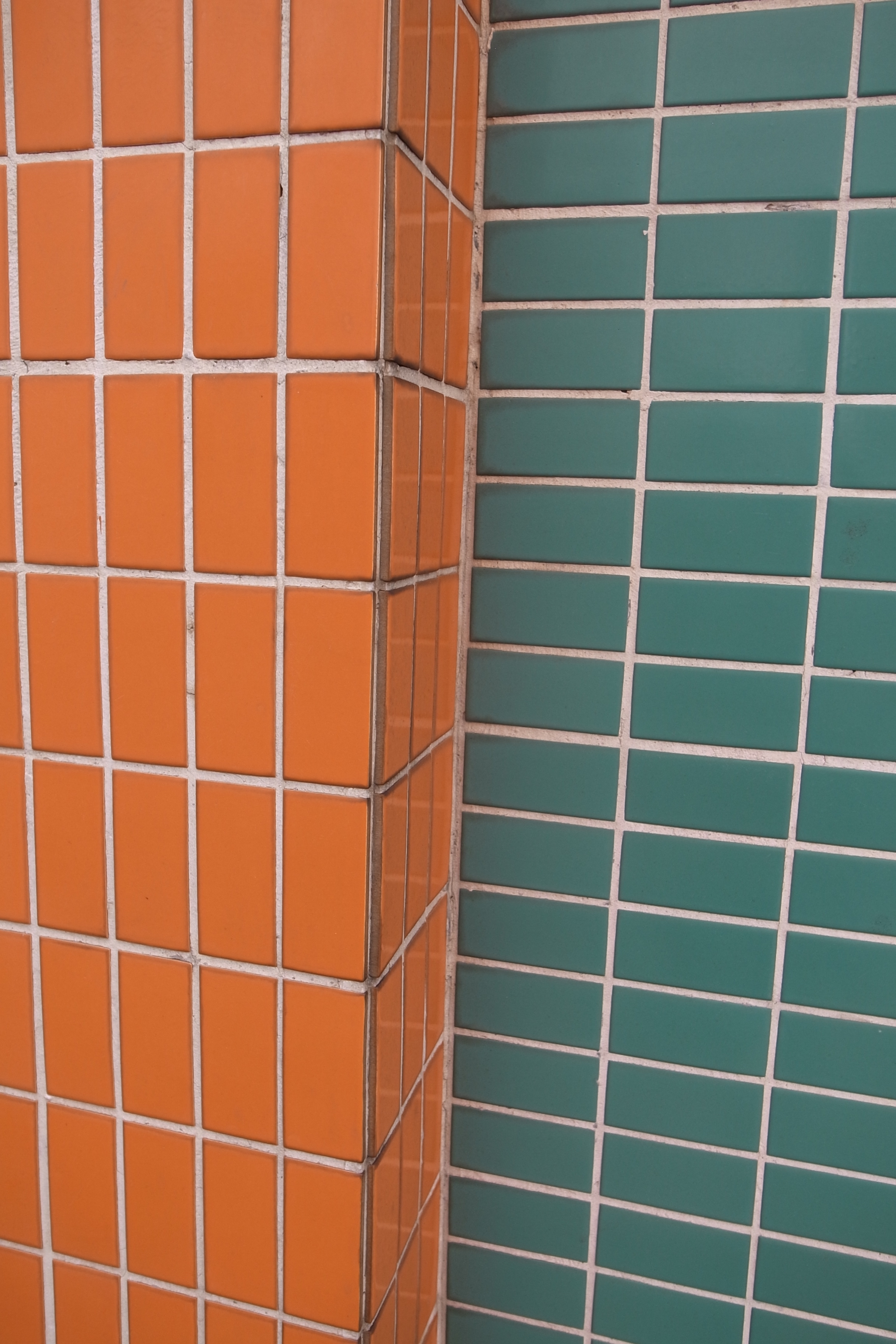
hong kong tiles

Image

Postmodern Housing in Hong Kong

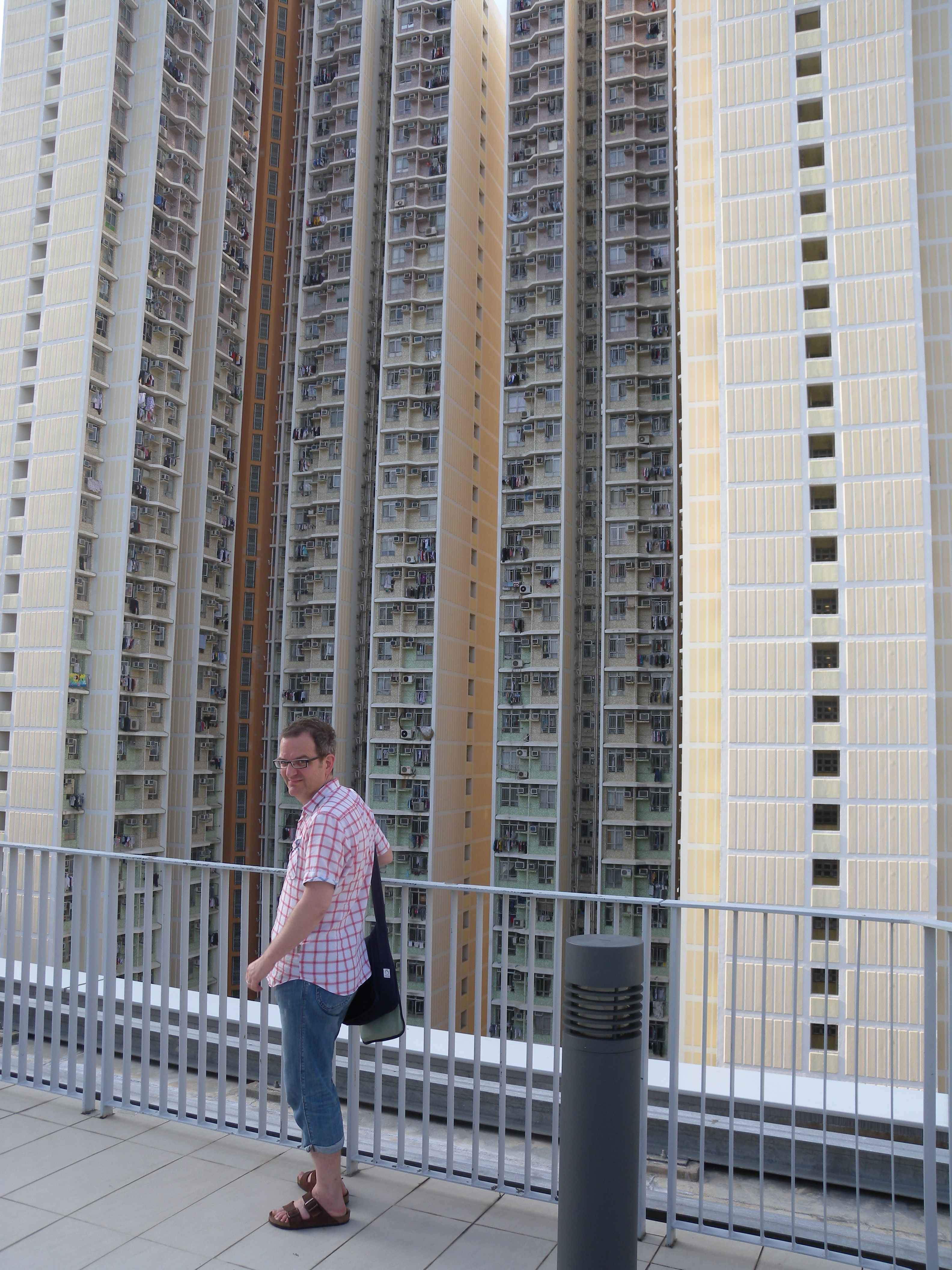
In the neoliberal city of Hong Kong the unfairness of land distribution can be glimpsed in the advertising billboards used by developers to promote their products. In suggesting that a certain lifestyle is not only desirable but actually guaranteed by living in a certain exorbitantly expensive concrete unit, albeit a cleverly disguised one, the property magnates are making use of a simulacrum. As Baudrillard states “it is with the same imperialism that the present-day simulators try to make real, all the real, coincide with their simulation model.”[1] Thus what is hidden behind the mirage of a glamorous lifestyle is not the opportunity for a civilized society where everyone has the chance to live a life of luxury but actually an unfair system of monopolies and frustration involving long working hours for the middle-classes, drudgery for the poor and exclusion for the migrant workers who not only help to build these simulacra but also sustain their existence by enabling the home to function when all the adults are working in order to pay for it.